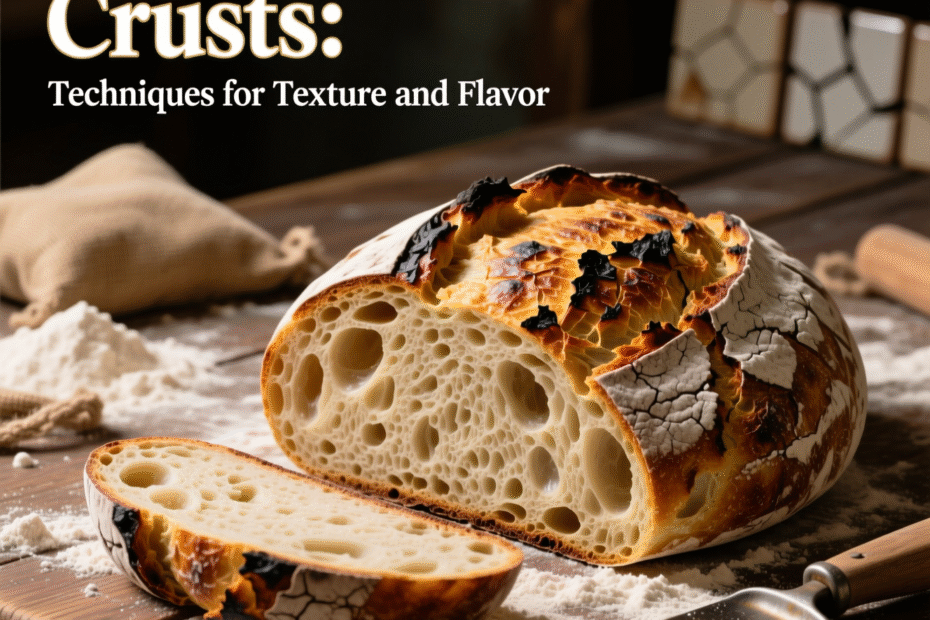
There’s a quiet magic in the crackle of a golden-brown crust—the kind that shatters delicately under your fork before giving way to a tender, flavorful interior. Whether it’s a loaf of sourdough, a flaky pie, or a perfectly seared steak, the crust isn’t just a surface—it’s a statement. It’s where flavor deepens, texture transforms, and culinary craft shines.
In this article, we’ll explore the art and science behind crafting the best crusts across a range of dishes. From bread to pastries, meats to casseroles, we’ll break down essential techniques that elevate both texture and taste. You’ll learn why moisture control matters, how heat application changes outcomes, and what small tweaks in timing or ingredients can yield dramatic results.
More than just recipes, these are foundational principles you can adapt to your kitchen, your ingredients, and your taste. Let’s dive into the crispy, crunchy, caramelized world where the right crust makes all the difference.
Why the Crust Matters: More Than Just a Surface
When you bite into a crusty baguette or a caramelized roast chicken, you’re not just tasting the surface—you’re experiencing a concentration of flavor developed through heat, time, and technique. The crust is where the Maillard reaction and caramelization do their work, creating complex aromas and deep, savory notes that simply don’t exist in the interior.
Consider bread: a soft, pale loaf might be pleasant, but it’s the blistered, golden crust that signals flavor and craftsmanship. In meats, a well-browned sear locks in juiciness while adding a savory depth. Even in baked pasta dishes, that top layer of toasted cheese and breadcrumbs transforms comfort food into something memorable.
Understanding the role of the crust helps you move beyond following recipes blindly. Instead, you begin to see your food—anticipating how heat will interact with sugars, proteins, and starches. This awareness turns everyday cooking into an intentional, creative act. And the best part? You don’t need fancy equipment—just attention to a few key principles.
Mastering Moisture Control for Crisp Perfection
One of the biggest secrets to achieving a great crust? Managing moisture. Excess water is the enemy of browning—it steams instead of sears, softens instead of crisps. Whether you’re baking bread or roasting vegetables, controlling moisture is the first step toward texture mastery.
For bread bakers, this means using steam strategically at the start of baking (to allow expansion) and then venting the oven to dry the surface for browning. For home cooks searing meat, it means patting proteins completely dry before they hit the pan. Even something as simple as salting eggplant slices and letting them sit for 20 minutes can draw out moisture, ensuring they crisp instead of stew in oil.
Practical tips to manage moisture:
- Pre-dry ingredients: Pat meats, tofu, or even sliced potatoes with paper towels.
- Use coarse salt early: It draws out surface moisture and seasons deeply.
- Avoid overcrowding pans: Too much food releases too much steam, preventing browning.
- Preheat your cooking surface: A hot pan or baking stone ensures immediate evaporation.
These small habits make a huge difference. Crispness isn’t accidental—it’s engineered through smart moisture control.
The Power of Heat: Choosing the Right Method for Your Crust
Not all crusts are created equal, and neither are all heat sources. The method you choose—whether it’s a blazing oven, a cast-iron skillet, a grill, or even a broiler—directly shapes your crust’s character.
For example, a wood-fired oven delivers radiant heat that chars pizza crusts beautifully while keeping the interior airy. A heavy Dutch oven traps steam early (for oven spring) then creates a dry, intense environment for browning. Meanwhile, grilling imparts smoky notes and charred spots that no indoor method can fully replicate.
Compare these common approaches:
- Oven baking: Ideal for even, all-over browning (great for breads, gratins).
- Pan searing: Creates a deep, savory crust on meats and fish (use high smoke-point oils like avocado or grapeseed).
- Broiling: Delivers intense top-down heat for quick crisping (perfect for finishing casseroles or melting cheese).
- Grilling: Adds smokiness and dramatic char, especially effective for vegetables and proteins.
The key is matching your heat source to your desired outcome. Want crackly bread? Preheat your baking stone. Craving a golden tart shell? Blind-bake with weights, then finish under the broiler for extra crunch. Heat isn’t just about temperature—it’s about direction, intensity, and timing.
Ingredient Alchemy: How Small Changes Boost Flavor and Texture
The crust isn’t just shaped by heat—it’s also a canvas for ingredients. A sprinkle of flaky salt, a brush of egg wash, a dusting of semolina… these small additions transform both appearance and taste.
Take egg wash on pastry: it’s not just for shine. The proteins and fats in the egg promote browning and create a richer, more complex crust. Similarly, brushing bread with milk yields a softer, golden finish, while water or steam gives a harder, more rustic crunch. Even the type of flour matters—bread flour’s higher protein content supports better oven spring and crust development than all-purpose.
Flavor-boosting crust ideas:
- Herb-infused oil: Brush on bread or roasted veggies before baking.
- Sugar or honey glaze: Promotes caramelization on ham or roasted roots.
- Cornmeal or semolina: Adds crunch and prevents sticking on pizza or bread.
- Spice rubs: Create a flavorful, textured crust on meats before searing.
These tweaks are simple but powerful. They turn a basic dish into something layered and memorable—without complicating your process.
The Art of Patience: Timing and Resting for the Perfect Finish
One of the most overlooked crust secrets? Knowing when not to rush. Great crusts often need time—to dry, to caramelize, to set. Pulling bread from the oven too early yields a gummy crumb and pale shell. Cutting into a seared steak immediately after cooking lets precious juices escape, softening that beautiful crust.
Resting is part of the crust’s journey. Bread continues to bake internally even after it leaves the oven; letting it cool on a wire rack ensures the crust stays crisp instead of steaming itself soft. Similarly, allowing roasted vegetables or grilled meats to sit for a few minutes helps the surface firm up and flavors to meld.
Patience pays off:
- Cool bread completely before slicing (1–2 hours for loaves).
- Let meats rest 5–10 minutes after cooking to preserve crust and juiciness.
- Bake pies until truly golden—a pale crust often means undercooked filling and soggy bottom.
In a world of instant results, mastering patience in the kitchen is a quiet rebellion—and a guarantee of better food.
Conclusion: Crust as Craft, Crust as Joy
From the blistered surface of a Neapolitan pizza to the crackling skin of a Sunday roast, the crust is where cooking becomes art. We’ve explored how moisture control, heat selection, ingredient choices, and timing all play crucial roles in building texture and deepening flavor. These aren’t just techniques—they’re invitations to slow down, observe, and engage more deeply with your food.
You don’t need to be a professional chef to create incredible crusts. You just need curiosity, a willingness to experiment, and the confidence to trust your senses. Listen for that crunch. Watch for that golden hue. Smell for that nutty, toasty aroma that tells you it’s ready.
So next time you’re in the kitchen, ask yourself: How can I make the crust better? Then try one new tip—dry your chicken thoroughly, preheat your baking stone, or finish your casserole under the broiler. Small shifts lead to big rewards.
What’s your favorite crust? Is it a buttery pie shell, a sourdough boule with a chewy bite, or a seared ribeye with a peppery crust? Share your go-to technique in the comments—we’d love to hear how you bring flavor and crunch to life in your kitchen.

Thayná Alves is an influential digital content creator who has carved out a significant space in the realms of technology, finance, and entrepreneurship. Through her blog, Newbacker.com , she stands out as an authentic and accessible voice for individuals seeking practical information about investments, innovation, and emerging trends in the financial market.