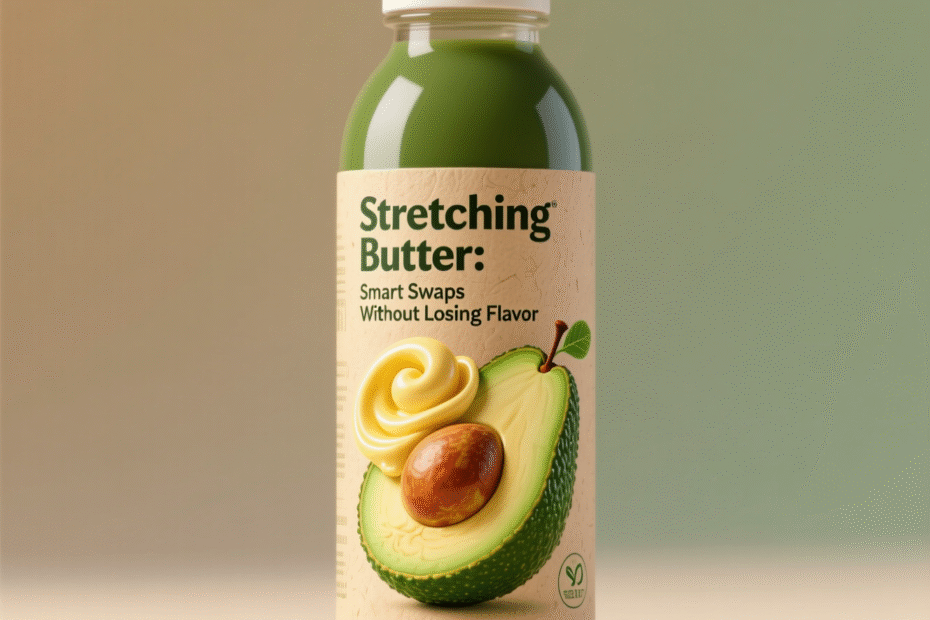
Imagine spreading rich, velvety butter on warm toast—its aroma wrapping around you like a cozy blanket. Now imagine achieving that same decadent experience while stretching your butter supply, your budget, and even your health goals. Sounds too good to be true? It’s not. With a few clever kitchen tweaks, you can enjoy all the flavor and richness of butter without using it by the stick.
In a world where grocery bills keep climbing and health-conscious eating is more important than ever, learning how to stretch butter—without compromising on taste—is a game-changer. Whether you’re baking, sautéing, or simply spreading it on your morning bread, this article will show you smart, practical swaps that preserve flavor, texture, and satisfaction.
We’ll explore why butter remains a kitchen staple, how to substitute it intelligently, and how these changes can actually enhance your cooking. From pantry staples to unexpected alternatives, you’ll walk away with strategies that are easy to adopt, budget-friendly, and surprisingly delicious.
So, grab your favorite mug, settle in, and let’s melt away the myth that you need tons of butter to create food that sings.
Why Butter Still Rules the Kitchen (And Why We Want to Use Less of It)
Butter isn’t just fat—it’s flavor, texture, and nostalgia rolled into one golden block. Its rich, slightly sweet, and complex taste elevates everything from flaky pie crusts to simple roasted vegetables. In baking, it provides structure, moisture, and that melt-in-your-mouth quality we all crave. In cooking, it adds depth and a luxurious finish that oils often can’t replicate.
Yet, despite its magic, there are plenty of reasons to use less of it. Price is a big one—premium butter can cost two to three times more than basic cooking oils. Health considerations also play a role: butter is high in saturated fat, and while moderate amounts are fine for most people, overuse can tip the scales. Then there’s sustainability—dairy production has a significant environmental footprint, and small reductions in personal consumption can add up.
The good news? You don’t need to eliminate butter entirely. The goal isn’t deprivation—it’s strategic reduction. By understanding when and how butter contributes most to a dish, you can pinpoint where substitutions won’t sacrifice flavor. For example, in a chocolate chip cookie, butter is essential for texture—but in a creamy pasta sauce, a blend of olive oil and a tablespoon of butter might deliver the same silkiness with half the dairy.
This balance—honoring butter’s role while using it more mindfully—is the cornerstone of smart kitchen economics and conscious cooking.
Smart Swaps: How to Cut Butter Without Cutting Flavor
The secret to stretching butter lies in clever substitutions and combinations that maintain the sensory experience while reducing quantity. Here are some tried-and-true strategies:
- Use half butter, half oil: In sautéing or roasting, replace half the butter with a neutral oil like avocado or grapeseed. You keep the buttery aroma but cut saturated fat and cost.
- Boost with umami: Add a splash of soy sauce, miso, or nutritional yeast to dishes where butter adds savoriness. These ingredients amplify depth, so you need less fat for satisfaction.
- Whip it up: Whip room-temperature butter with a bit of milk or buttermilk using a hand mixer. The air incorporated makes it fluffier, so you use less per slice of bread—and it spreads easier, too.
- Infuse for intensity: Simmer butter with herbs, garlic, or citrus zest, then strain and store. A teaspoon of garlic-infused butter delivers more flavor than a tablespoon of plain, so you naturally use less.
These swaps work because they focus on perceived richness, not just fat content. Our palates respond to aroma, texture, and complexity—elements you can enhance without adding more butter. Case in point: mashed potatoes made with a combo of butter, olive oil, and roasted garlic often taste more indulgent than those drowned in dairy alone.
Try this tonight: next time you’re finishing a pan sauce, swirl in half the butter you’d normally use, along with a squeeze of lemon and a pinch of flaky salt. The brightness and seasoning will make the butter pop—proving that less can truly be more.
The Psychology of Flavor: Why We Think We Need More Butter Than We Do
Here’s a surprising truth: your brain often craves the idea of butter more than the actual fat itself. That golden sheen on a steak, the glossy finish on a pastry—these visual and aromatic cues trigger expectations of richness. But science shows we can “trick” our senses into feeling satisfied with less.
Consider this: in blind taste tests, many people can’t distinguish between a cake made with full butter and one made with a 50/50 blend of butter and applesauce or Greek yogurt—especially when flavorings like vanilla or cinnamon are present. Why? Because texture and aroma dominate our perception of richness, not just fat content.
Think of butter like a spotlight in a theater. You don’t need floodlights to create drama—just a well-placed beam. In cooking, that means using butter strategically as a finishing touch rather than a base ingredient. A pat of herb butter on grilled fish? Irreplaceable. But do you need butter to grease the pan and baste the fish and finish it? Probably not.
One home cook I spoke with shared how she started using “butter dust”—freeze-dried butter powder (available in specialty stores)—to add buttery notes to popcorn or roasted veggies with almost no fat. Others keep a compound butter log in the freezer: mix softened butter with lemon zest, rosemary, or smoked paprika, roll it in parchment, and slice off coins as needed. One coin delivers big flavor, so a stick lasts weeks.
The lesson? Mindful butter use isn’t about restriction—it’s about intentionality. When you treat butter like the flavor enhancer it is, not the foundation, you naturally use less—and enjoy it more.
Beyond the Stick: Creative Alternatives That Complement (Not Replace) Butter
While swaps are helpful, sometimes the best approach isn’t substitution—it’s complementarity. Instead of trying to replace butter, think about what can partner with it to stretch its impact.
Enter ingredients like Greek yogurt, avocado, coconut cream, and nut butters. These aren’t direct 1:1 substitutes, but they bring their own richness that reduces the need for added butter. In banana bread, for instance, swapping half the butter for mashed avocado adds moisture and a subtle earthiness—while keeping the crumb tender. In frosting, blending butter with whipped cream cheese gives tang and volume, so you use less of both.
Another powerful ally? Broth or stock. When making mashed cauliflower or creamy soups, a splash of warm chicken or vegetable broth adds silkiness, allowing you to cut back on butter without dryness. Similarly, toasted nuts or seeds sprinkled on top of dishes add richness and crunch that mimic the mouthfeel of buttery finishes.
And don’t overlook plant-based butter alternatives—but choose wisely. Look for brands with simple ingredients (like avocado oil or olive oil bases) and avoid those loaded with palm oil or artificial additives. Used sparingly, they can extend your dairy butter supply while offering variety.
The key is layering flavors. A dish with roasted garlic, caramelized onions, and a hint of butter often tastes richer than one relying solely on fat. By building complexity, you reduce dependence on any single ingredient—including butter.
Butter Mindfully, Live Richly: A New Kitchen Philosophy
Stretching butter isn’t just a budget hack—it’s a mindset shift. It invites us to cook with more awareness, creativity, and respect for ingredients. When we stop seeing butter as a default and start treating it as a flavor instrument, we unlock new possibilities in the kitchen.
This approach aligns with broader trends in mindful eating: reducing waste, embracing seasonality, and savoring quality over quantity. It’s not about austerity; it’s about maximizing joy per gram. One perfectly browned pat of butter on a slice of sourdough can be more satisfying than slathering on three when you’re not paying attention.
Moreover, these habits ripple outward. Using less butter often means using more vegetables, legumes, and whole foods—naturally boosting nutrition. It encourages experimentation, turning everyday meals into small acts of culinary discovery.
So the next time you reach for the butter dish, pause. Ask: What role is this playing? Can I enhance it, rather than double it? You might find that a sprinkle of flaky salt, a drizzle of good olive oil, or a pinch of smoked paprika does half the work—leaving room for butter to shine where it matters most.
Conclusion: Savor Smarter, Not Harder
We’ve covered a lot of ground—from why butter captivates us to how smart swaps, sensory tricks, and complementary ingredients can help us use less without losing an ounce of delight. The core message is simple: flavor isn’t about quantity—it’s about intention.
By blending butter with oils, boosting dishes with umami-rich ingredients, leveraging texture tricks like whipping, and treating butter as a finishing touch rather than a base, you can stretch your supply, support your health, and even elevate your cooking. These aren’t sacrifices—they’re upgrades.
So, try one swap this week. Whip your butter with a splash of cream. Finish your pasta with half the butter and a squeeze of lemon. Bake a batch of cookies using half butter, half applesauce—and see if anyone notices (they probably won’t!).
Your kitchen, your rules. But with these tools, you’ll cook smarter, spend less, and savor more.
Now, we’d love to hear from you: What’s your favorite way to stretch butter without losing flavor? Share your tips in the comments—we’re all learning together! And if this article inspired you, pass it on to a fellow home cook who believes flavor should never be compromised.

Thayná Alves is an influential digital content creator who has carved out a significant space in the realms of technology, finance, and entrepreneurship. Through her blog, Newbacker.com , she stands out as an authentic and accessible voice for individuals seeking practical information about investments, innovation, and emerging trends in the financial market.