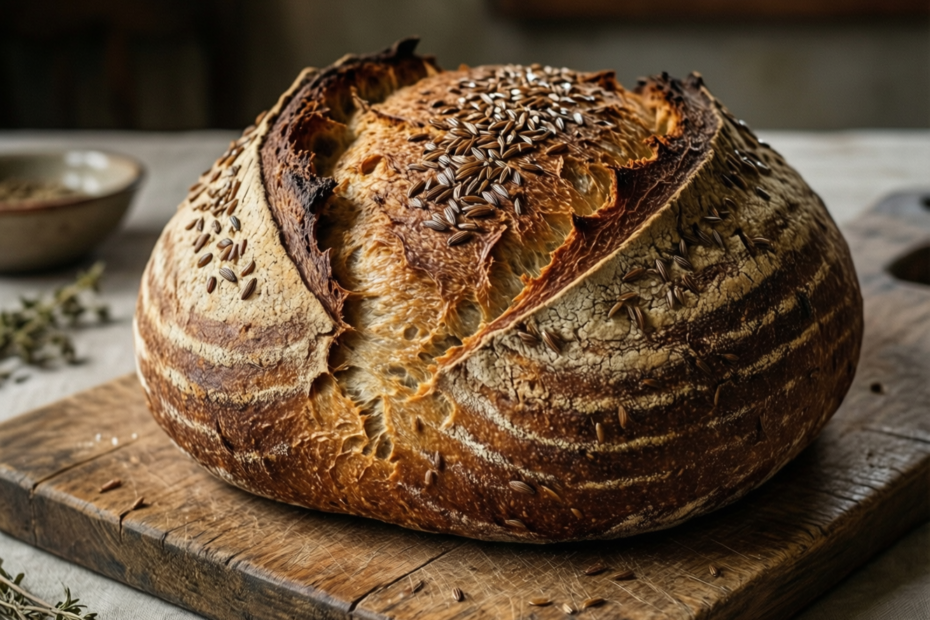
There’s something deeply comforting about the smell of freshly baked bread wafting through a kitchen—especially when it carries the warm, earthy whisper of caraway seeds. In Poland, this simple yet soulful aroma isn’t just nostalgic; it’s part of daily life. Meet chleb—the unassuming, crusty, deeply flavorful rye-and-wheat loaf that has sustained generations of Polish families through cold winters, bustling workdays, and Sunday suppers.
More than just bread, Polish chleb is a cultural emblem: humble, honest, and hearty. This article dives into the rich heritage of this everyday staple, explores why caraway seeds are its quiet secret weapon, walks you through an authentic recipe you can bake at home, and even reveals how this traditional loaf might just be the antidote to our modern rush toward ultra-processed convenience foods.
Whether you’re a home baker looking to expand your repertoire or someone curious about Eastern European culinary traditions, you’re in for a treat. Let’s slice into the story of Polish chleb—one fragrant, seeded crumb at a time.
The Heart of the Polish Kitchen: Why Chleb Matters
In Poland, bread isn’t just food—it’s respect. The phrase “chleb i sól” (“bread and salt”) is offered to guests as a centuries-old symbol of hospitality. Historically, bread represented survival, community, and even spiritual blessing. Unlike the soft, fluffy sandwich loaves familiar in many Western countries, traditional Polish chleb is dense, dark, slightly sour, and often studded with caraway seeds that add a subtle anise-like warmth.
While modern supermarkets now carry dozens of bread varieties, the classic everyday chleb remains a fixture in Polish households. It’s rarely sweet, never overly embellished, and almost always made with a mix of rye and wheat flours. Its longevity in Polish culture speaks to its practicality: it keeps well, pairs with everything from cold cuts to hearty soups, and—most importantly—feeds a family without fuss.
According to the Polish Central Statistical Office, the average Pole consumes about 55 kilograms of bread per year, far above the European average. That’s not just appetite—that’s devotion. And at the center of it all? A simple loaf seasoned with nothing more than time, flour, water, sourdough (or yeast), salt, and those beloved caraway seeds.
Caraway Seeds: The Unsung Hero of Polish Bread
If you’ve ever tasted Polish chleb and wondered about that distinctive, slightly peppery note in the background, you’ve met caraway. These tiny crescent-shaped seeds—often mistaken for cumin—are native to Europe and Western Asia and have been used in Slavic cooking for over a thousand years.
Why caraway? Beyond flavor, caraway serves practical purposes in bread-making. It acts as a natural digestive aid, helping to counteract the heaviness of rye flour. In agrarian societies where bread was the main source of calories, this wasn’t just culinary flair—it was functional wisdom.
Caraway also enhances shelf life. Its essential oils possess mild antimicrobial properties, which, before refrigeration, helped keep loaves fresher longer. Today, its role is more about tradition and taste—but don’t underestimate its power. Just a teaspoon can transform a dense rye loaf from “stodgy” to “sophisticated.”
You don’t need to be a spice expert to use it. Try adding 1–2 teaspoons of whole or crushed caraway seeds to your next batch of homemade bread. Toast them lightly in a dry pan first to unlock their aromatic oils—it’s a game-changer. And don’t worry if you’re not Polish: caraway’s warm, herbal notes pair beautifully with cheeses, pickles, smoked fish, and even buttered toast.
Baking Your Own Polish Chleb at Home
You don’t need a wood-fired oven or generations of baking knowledge to make authentic Polish chleb. With a few pantry staples and a bit of patience, you can recreate this rustic loaf in your own kitchen—even if you’ve never worked with rye flour before.
Here’s a simplified, beginner-friendly version of a classic everyday chleb:
Ingredients:
- 250g (2 cups) medium rye flour
- 250g (2 cups) bread flour (or strong white flour)
- 7g (1 packet) active dry yeast
- 10g (2 tsp) salt
- 1–2 tsp caraway seeds (toasted)
- 375ml (1½ cups) warm water
- Optional: 1 tbsp molasses or honey for color and slight sweetness
Method:
- Mix dry ingredients: In a large bowl, combine both flours, yeast, salt, and caraway seeds.
- Add liquid: Pour in warm water (and molasses, if using). Stir until a shaggy dough forms.
- Knead: Turn onto a floured surface and knead for 8–10 minutes until smooth and elastic. Rye makes dough stickier than all-wheat bread—don’t panic!
- First rise: Place in a greased bowl, cover with a damp cloth, and let rise for 1–1.5 hours, or until doubled.
- Shape: Gently deflate the dough and shape into a round boule or oval loaf. Place on a parchment-lined baking sheet.
- Second rise: Let rest 30–45 minutes. Preheat oven to 220°C (425°F).
- Bake: Score the top with a sharp knife (a simple cross or slash works). Bake for 10 minutes at high heat, then reduce to 200°C (390°F) and bake 25–30 minutes more until deeply golden and hollow-sounding when tapped.
- Cool completely before slicing—rye bread needs time to set!
Pro tip: For a more authentic sourdough flavor, replace the yeast with 100g of active rye sourdough starter and extend the fermentation time overnight in the fridge. The result? A tangier, more complex chleb that tastes like it came from a village bakery.
Chleb in a Modern World: Tradition Meets Everyday Life
In today’s fast-paced food landscape—dominated by gluten-free wraps, protein breads, and “artisan” loaves that cost $10 a slice—Polish chleb feels refreshingly honest. It doesn’t pretend to be superfood bread or diet bread. It’s just bread. And that’s its strength.
Interestingly, nutritionists are beginning to revisit traditional rye-based breads like chleb for their health benefits. Rye is high in fiber, has a lower glycemic index than wheat, and supports gut health thanks to its prebiotic properties. Combined with caraway’s digestive benefits, this loaf isn’t just nostalgic—it’s nourishing.
Moreover, baking chleb can be a mindful ritual in a distracted age. The slow rise, the kneading, the anticipation—it’s a form of edible meditation. Many Poles still buy their bread daily from neighborhood piekarnia (bakeries), where loaves are baked in batches throughout the day. This practice keeps bread fresh, reduces waste, and fosters community. Could we all benefit from slowing down and treating bread—not as commodity, but as craft?
More Than a Loaf: The Cultural Soul of Polish Chleb
To understand chleb is to understand a slice of Polish identity. During times of hardship—wars, partitions, communism—bread remained a constant. It was shared among neighbors, used in folk rituals, and even carried by emigrants as a taste of home. In Polish literature and film, a loaf of bread often symbolizes resilience, simplicity, and dignity.
Even the way Poles treat bread reveals values: you never throw it away, you never place it upside down on the table (a superstition said to bring bad luck), and you always offer it to guests. These customs might seem quaint, but they reflect a deep respect for sustenance and the labor behind it.
Today, as global food systems grow more industrialized, returning to breads like chleb isn’t just about taste—it’s a quiet act of cultural preservation. By baking it, sharing it, or simply appreciating its history, we honor generations who found richness in simplicity.
Conclusion: Bake, Share, and Savor the Tradition
Polish chleb may look unassuming—a dark, seeded loaf with a thick crust and tight crumb—but it carries centuries of history, practical wisdom, and quiet beauty. From the functional brilliance of caraway seeds to the nutritional benefits of rye, from its role in daily rituals to its symbolic weight in Polish culture, this bread is far more than flour and water.
We’ve explored why chleb remains central to Polish life, how caraway seeds elevate both flavor and function, how you can bake your own version at home, and why this traditional loaf still matters in our modern world. Whether you’re drawn to its taste, its story, or its simplicity, chleb invites you to slow down, connect with your food, and share something real.
So why not give it a try? Whip up a batch this weekend. Serve it with butter, kielbasa, or a simple beet soup. Share it with someone you care about. And when you take that first bite, remember: you’re not just eating bread—you’re tasting tradition.
Have you ever baked rye bread or tried Polish cuisine? What’s your favorite traditional loaf? Share your thoughts or bread-baking tips in the comments below—we’d love to hear from you!

Thayná Alves is an influential digital content creator who has carved out a significant space in the realms of technology, finance, and entrepreneurship. Through her blog, Newbacker.com , she stands out as an authentic and accessible voice for individuals seeking practical information about investments, innovation, and emerging trends in the financial market.