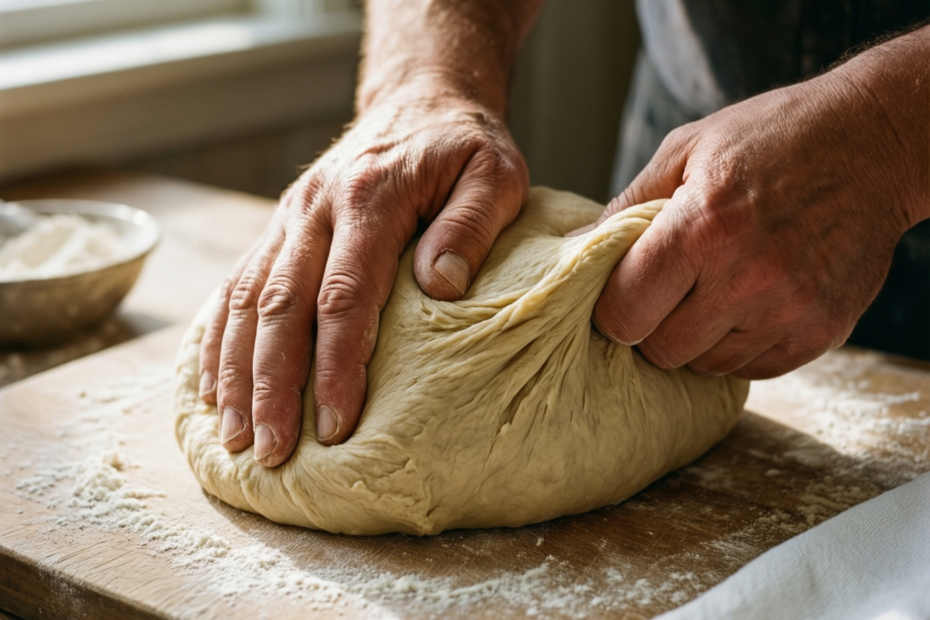
There’s a quiet magic in transforming flour, water, and yeast into something soft, elastic, and full of life. But how do you know when your dough has crossed that invisible threshold from a sticky mess to a baker’s masterpiece? Whether you’re crafting sourdough boules, fluffy dinner rolls, or chewy pizza crusts, kneading is the secret heartbeat of great bread—and knowing when it’s “just right” can mean the difference between disappointment and deliciousness.
In this article, we’ll walk through the key signs that your dough is properly kneaded, explain why each matters, and share practical tips you can use in your own kitchen—no fancy tools required. From the windowpane test to the subtle feel of gluten development, you’ll learn how to trust your hands and eyes like a seasoned baker. Whether you’re a weekend hobbyist or a daily bread-maker, mastering this skill will boost your confidence and your results.
Let’s dive in—and maybe get a little flour on our sleeves along the way.
Why Proper Kneading Matters More Than You Think
Kneading isn’t just about mixing ingredients—it’s the process that activates gluten, the protein network that gives bread its structure, chew, and rise. Without sufficient kneading, your loaf might be dense, crumbly, or flat. With too much, it can become tough or rubbery. The sweet spot? A smooth, elastic dough that holds air bubbles and bounces back gently when poked.
Think of gluten like scaffolding. As you knead, flour proteins (glutenin and gliadin) link together to form long, stretchy strands. These strands trap the carbon dioxide produced by yeast, allowing your dough to rise evenly and hold its shape during baking. Skimp on kneading, and that scaffolding stays weak—your bread collapses like a tent in the wind. But nail it, and you’ll get that lofty crumb and satisfying chew we all crave.
Even if you use a stand mixer, understanding the physical signs of proper kneading helps you avoid over-reliance on timers. After all, every flour, humidity level, and kitchen temperature affects dough differently. Learning to read your dough puts you in control.
The Windowpane Test: Your Dough’s Telltale Sign
One of the most reliable—and satisfying—ways to check if your dough is ready is the windowpane test. Here’s how it works: take a small piece of dough (about the size of a golf ball) and gently stretch it between your fingers. If you can stretch it thin enough to see light through it—like a translucent pane of glass—without it tearing immediately, your gluten is well-developed.
This simple test works because it directly evaluates gluten strength. If the dough rips easily, it needs more kneading. If it holds, you’re golden.
Pro tip: Don’t rush this. Stretch slowly and evenly. If your dough is still sticky, lightly flour your hands—but avoid adding extra flour to the main dough, as this can throw off hydration.
Many bakers perform this test after 8–10 minutes of hand kneading or 5–7 minutes in a mixer on medium speed, but timing is just a guideline. Your dough might need more or less depending on factors like flour type (bread flour develops gluten faster than all-purpose) or whether you’re using a preferment like a poolish or biga.
Remember: patience here pays off in texture later. A properly kneaded dough will rise uniformly and yield a loaf with an open, airy interior—not a disappointment pulled from the oven.
Beyond the Stretch: Texture, Feel, and Visual Clues
While the windowpane test is gold-standard, experienced bakers also rely on tactile and visual signals that develop over time. A well-kneaded dough should feel smooth, not shaggy. It should pull away cleanly from the bowl or counter, and when you press it with a finger, it should spring back slowly—not collapse or stay indented.
Early in kneading, dough is often sticky and tears easily. As gluten forms, it becomes more cohesive and less likely to stick to your hands. By the end, it should feel supple—like a soft earlobe—and look satiny, with a slight sheen.
Here’s an easy analogy: Think of your dough like a relaxed cat. At first, it’s all limbs and resistance. But as you work with it gently and consistently, it settles into a calm, flexible state—ready to purr (or, in this case, rise beautifully in the proofing basket).
Also, watch how it behaves during rest periods. If your dough holds its shape in a bowl without spreading into a puddle, that’s another good sign. And during bulk fermentation, properly kneaded dough will expand steadily and evenly—no weird lopsided bubbles or sluggish rising.
These subtle cues become second nature with practice, turning you from recipe-follower into intuitive baker.
Common Mistakes (and How to Avoid Them)
Even seasoned home bakers can fall into traps when judging kneading progress. One classic error? Over-kneading by machine. Stand mixers are powerful, and dough can go from perfect to overworked in under a minute—especially with high-speed settings. Over-kneaded dough feels tough, may tear when stretched, and can result in a dense, overly chewy loaf.
On the flip side, under-kneading is just as problematic. Dough that hasn’t developed enough gluten won’t trap gas effectively, leading to poor oven spring and a gummy crumb. If you’re unsure, err on the side of a few extra minutes of gentle kneading rather than stopping too soon.
Another pitfall: adding too much flour to combat stickiness. Instead, try the “wet-hand” technique—lightly wetting your hands or the counter to reduce sticking without altering dough hydration. High-hydration doughs (like ciabatta or focaccia) are meant to be sticky, and over-flouring them ruins their signature open crumb.
Bonus tip: Autolyse—mixing just flour and water and letting it rest for 20–60 minutes before adding yeast and salt—can significantly reduce kneading time and improve gluten development naturally. It’s a game-changer for better texture with less effort.
Trust Your Hands: Becoming a Confident Bread Baker
At its core, bread-making is a dialogue between baker and dough. Machines help, but nothing replaces the wisdom of your own senses. The more you knead, the more you’ll recognize that shift from “meh” to “magic”—when the dough transforms from inert mass to living, breathing potential.
This confidence doesn’t come from perfection, but from showing up, getting your hands dirty, and learning from each loaf—even the misshapen ones. Every failed loaf teaches you something: maybe your kitchen was too cold, or you rushed the knead, or your yeast was past its prime. That’s not failure; it’s data.
And remember: not all breads need the same level of kneading. Artisan sourdoughs often rely on time and folds instead of intense kneading, while sandwich bread benefits from thorough gluten development. Context matters. The goal isn’t to follow a rigid rule—but to understand why you’re doing what you’re doing.
So the next time you’re elbow-deep in dough, slow down. Notice its temperature, its resistance, its quiet transformation. You’re not just making bread—you’re building a relationship with one of humanity’s oldest crafts.
Conclusion: From Doubt to Delicious Certainty
Knowing when your dough is properly kneaded is less about rigid rules and more about attentive observation and practice. We’ve covered the science behind gluten development, the reliability of the windowpane test, the importance of texture and feel, and common pitfalls to avoid. Most importantly, we’ve emphasized that great bread begins with presence—your hands, your eyes, and your willingness to learn.
Whether you bake weekly or once a year, mastering this skill unlocks consistency, creativity, and confidence. No more guessing, no more gummy centers or collapsed loaves. Just beautiful, satisfying bread made with intention.
So go ahead—mix a batch this weekend. Try the windowpane test. Notice how the dough changes under your palms. And when that golden loaf comes out of the oven, crust crackling and aroma filling your kitchen, you’ll know: you didn’t just follow a recipe. You listened to the dough.
Now it’s your turn:
Have you ever struggled to tell if your dough was ready? What signs do you look for? Share your bread journey in the comments—we’d love to hear (and taste!) your stories. And if this guide helped you, why not share it with a fellow baker? Happy kneading! 🍞

Thayná Alves is an influential digital content creator who has carved out a significant space in the realms of technology, finance, and entrepreneurship. Through her blog, Newbacker.com , she stands out as an authentic and accessible voice for individuals seeking practical information about investments, innovation, and emerging trends in the financial market.