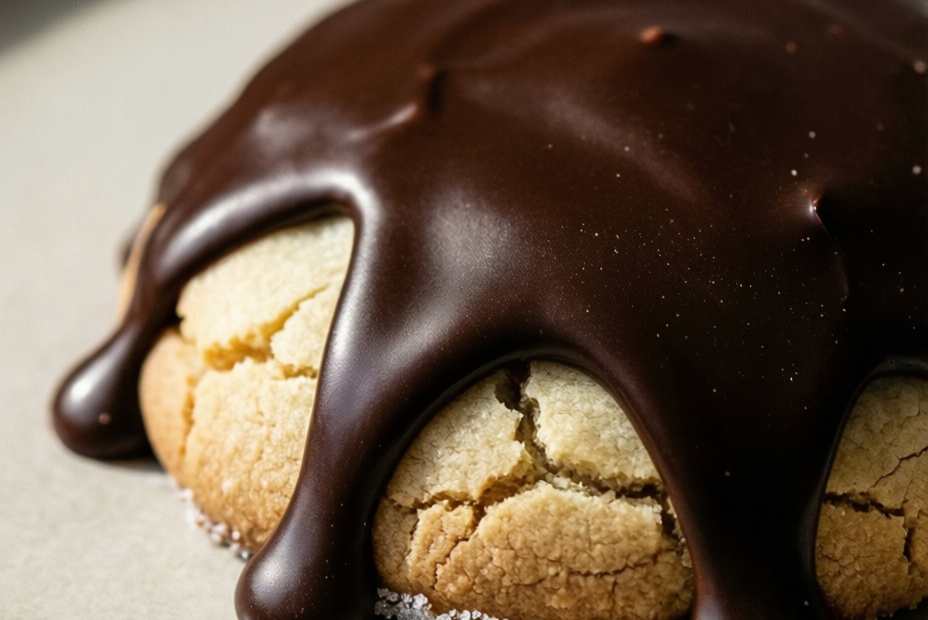
There’s something quietly luxurious about a perfectly crisp shortbread cookie dipped halfway into rich, glossy chocolate. It’s the kind of treat that feels both indulgent and effortlessly elegant—ideal for gifting, entertaining, or simply treating yourself after a long day. In a world full of over-the-top desserts, chocolate-dipped shortbread stands out for its simplicity, balance, and timeless charm.
In this article, we’ll explore why this classic combination has endured through generations, how to make it with confidence (even if you’re new to baking), and creative ways to personalize it for any occasion.
Whether you’re planning a holiday gift basket, looking for an easy yet impressive dessert for guests, or just craving a buttery bite with a hint of cocoa luxury, you’ll find everything you need right here. Let’s unwrap the secrets behind this deceptively simple—and deeply satisfying—confection.
The Timeless Allure of Shortbread
Shortbread isn’t just a cookie—it’s a tradition. Originating in Scotland centuries ago, it was once considered a luxury reserved for special occasions like Christmas, Hogmanay (Scottish New Year), and weddings. Made with just three core ingredients—butter, sugar, and flour—its magic lies in its purity. There are no leavening agents, no eggs, no distractions. Just rich, crumbly perfection that melts on your tongue.
What makes shortbread such a perfect canvas for chocolate? Its neutral, buttery flavor complements the deep complexity of dark, milk, or even white chocolate without competing. Plus, its sturdy texture holds up beautifully during dipping, ensuring clean lines and a satisfying snap when you break off a piece.
Today, shortbread remains beloved not only for its taste but also for its versatility. From classic rounds to festive shapes, it adapts effortlessly to seasons and celebrations. And when paired with chocolate—a pairing almost as iconic as peanut butter and jelly—it transforms from humble teatime staple into a gourmet-looking delicacy. No wonder it’s a favorite among home bakers and professional pastry chefs alike.
Crafting the Perfect Batch: A Foolproof Guide
Making great shortbread doesn’t require fancy equipment or hours in the kitchen—just attention to a few key details. Start with high-quality butter; it’s the star of the show. Unsalted European-style butter (with higher fat content) yields a richer flavor and more tender crumb, but any good unsalted butter will work.
The classic ratio? 1 part sugar, 2 parts butter, 3 parts flour—often called the “1-2-3” rule. Cream the butter and sugar until pale and fluffy, then gently fold in the flour until just combined. Overmixing can develop gluten, leading to tough cookies instead of that signature melt-in-your-mouth texture.
For shape and ease, many bakers prefer slicing shortbread from a log (called “slice-and-bake”) or pressing it into a pan and cutting it into bars after baking. Both methods minimize handling and preserve tenderness. Bake at a low temperature (around 300°F or 150°C) until the edges are just golden—usually 20–25 minutes. Patience here is key: underbaking leads to greasiness; overbaking turns delicate shortbread into hard biscuits.
Once cooled completely, it’s time for the chocolate dip. Use tempered chocolate for a glossy finish and satisfying snap, or simply melt high-quality chocolate chips with a bit of coconut oil for easier handling. Dip halfway, tap off excess, and let set on parchment paper. In under an hour, you’ve got bakery-worthy treats—with minimal effort.
Elevating Your Shortbread: Creative Twists & Personal Touches
While classic shortbread dipped in dark chocolate is divine on its own, a few thoughtful additions can turn it into something truly memorable. Consider infusing your dough with citrus zest (lemon or orange pairs beautifully with white chocolate), a pinch of sea salt, or even a whisper of lavender or rosemary for an herbal note.
Texture contrasts also elevate the experience. Before the chocolate sets, sprinkle with flaky sea salt, crushed nuts, freeze-dried berries, or edible gold dust for visual flair. For holidays, colored sprinkles or crushed peppermint add festive cheer without overwhelming the delicate base.
You can also play with chocolate types:
- Dark chocolate (70% cacao or higher) offers sophistication and balances the buttery sweetness.
- Milk chocolate brings nostalgic warmth and creaminess—perfect for kids or casual gatherings.
- White chocolate, though technically not “chocolate,” adds a sweet, vanilla-kissed elegance, especially when swirled with matcha or raspberry powder.
And don’t forget presentation! Package your dipped shortbread in clear cellophane bags tied with twine, stack them in mini cupcake liners inside a gift box, or arrange them on a rustic wooden board for afternoon tea. These small touches signal care and craftsmanship—making your homemade gift feel luxurious, even if it cost just a few dollars to make.
Why This Treat Belongs in Every Home Baker’s Repertoire
In an age of complicated layer cakes and trendy desserts that demand specialty ingredients, chocolate-dipped shortbread is a breath of fresh air. It’s accessible, forgiving, and scalable—whether you’re making six cookies or sixty. Unlike meringues or macarons, it doesn’t rely on precise humidity levels or exact timing down to the second. A slightly uneven edge or imperfect dip? That just adds character.
Moreover, it’s a fantastic teaching tool for novice bakers. Learning to handle butter-based doughs builds foundational skills—understanding texture, temperature, and the importance of resting dough. And because the ingredient list is short, each component’s quality truly matters, encouraging mindful sourcing and appreciation for simple pleasures.
From a practical standpoint, shortbread keeps well for up to two weeks in an airtight container, and the chocolate coating actually helps preserve freshness. That makes it ideal for meal prep-style baking: whip up a batch on Sunday, dip midweek, and have elegant desserts ready for impromptu guests or last-minute gifts.
Best of all, it bridges generations. Grandparents recognize it from childhood; kids love its sweet crunch; foodies admire its minimalist artistry. In a single cookie, you get nostalgia, innovation, and universal appeal.
The Quiet Joy of Handmade Thoughtfulness
In our fast-paced digital world, there’s profound meaning in creating something by hand—especially something meant to be shared. Chocolate-dipped shortbread isn’t flashy, but it speaks volumes: I took time. I paid attention. I made this for you.
Unlike store-bought sweets wrapped in plastic and shipped across continents, a homemade shortbread cookie carries the warmth of your kitchen, the scent of real butter, and the intention behind every dip and sprinkle. It’s a small act of generosity that doesn’t require grand gestures—just presence and care.
Whether you’re tucking one into a lunchbox, leaving a plate for a new neighbor, or mailing a package to a faraway friend, these cookies become tiny ambassadors of kindness. And in return, the process of making them offers a rare moment of calm: measuring, mixing, watching chocolate pool and shine. Baking becomes meditation, and sharing becomes connection.
So while the recipe is simple, the impact is anything but.
Conclusion: Simplicity, Elevated
Chocolate-dipped shortbread proves that elegance doesn’t require complexity. With just a handful of pantry staples and a little patience, you can create a treat that delights the senses, honors tradition, and adapts to any occasion. We’ve explored its rich history, walked through a reliable method for success, discovered creative ways to personalize it, and reflected on why such a humble cookie holds so much emotional weight.
Now it’s your turn. Pull out your mixing bowl, choose your favorite chocolate, and give it a try. Don’t worry about perfection—embrace the slight imperfections that make it yours. Share it with someone who needs a little sweetness today, or savor it quietly with a cup of tea. Either way, you’re participating in a delicious legacy of simplicity and soul.
Have you ever made chocolate-dipped shortbread? What’s your favorite twist—or who would you gift it to first? Share your thoughts in the comments below! And if you found this guide helpful, don’t forget to share it with a fellow baker who appreciates the beauty of less-is-more desserts. Happy baking!

Thayná Alves is an influential digital content creator who has carved out a significant space in the realms of technology, finance, and entrepreneurship. Through her blog, Newbacker.com , she stands out as an authentic and accessible voice for individuals seeking practical information about investments, innovation, and emerging trends in the financial market.