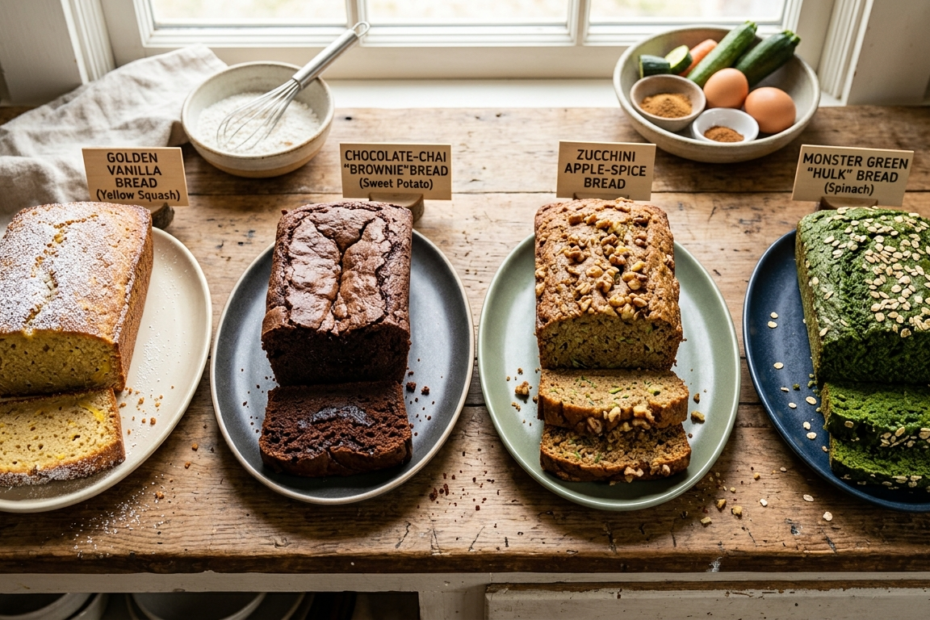
If you’ve ever engaged in a dinner-table standoff with a toddler over a single floret of broccoli, you know that the “veggie struggle” is real. It’s a universal parenting challenge: we want them to grow strong, but they just want another slice of plain toast.
In this article, we’re going to explore the art of the veggie-infused quick bread. We’ll dive into why these breads are a game-changer for picky eaters, how to choose the right vegetables for the best textures, and practical ways to make baking a fun, low-pressure family activity. By the end, you’ll have a toolkit of ideas to turn your kitchen into a “stealth health” bakery.
Let’s peel back the layers on why hiding (or incorporating) greens into gold-brown loaves is the win-win solution your kitchen needs.
Why Quick Breads are a Picky Eater’s Best Friend
Quick breads—think banana bread, muffins, and loaves—are the ultimate “Trojan Horse” of the culinary world. Unlike yeast breads that require kneading and rising, quick breads rely on baking powder or soda, resulting in a dense, moist crumb that perfectly masks the fibrous texture of many vegetables.
For a picky eater, texture is often the biggest hurdle. A slimy boiled carrot is a “no,” but a finely grated carrot that has melted into a spiced cinnamon loaf? That’s just a treat. This familiarity allows children (and skeptical adults!) to consume essential vitamins without the sensory overload that comes with whole vegetables.
Moreover, the psychological barrier is lowered. When food looks like a dessert or a favorite snack, the “fight or flight” response many picky eaters feel toward new foods is deactivated. It’s about building a positive association with flavors that will eventually make them more open to trying the “real thing” later on.
Choosing Your “Secret” Ingredients: From Zucchini to Sweet Potato
Not all vegetables are created equal when it comes to baking. To ensure your quick bread remains delicious, you need to match the vegetable’s moisture content and flavor profile to the right recipe.
-
Zucchini: The undisputed king of veggie baking. It’s neutral in flavor and adds incredible moisture. Just remember to squeeze out the excess water after grating!
-
Sweet Potato and Pumpkin: These provide a natural sweetness and a creamy texture. They are perfect for denser, heartier loaves that pair well with nutmeg and ginger.
-
Spinach: When blended into a puree, spinach can be added to “Monster Muffins.” The bright green color is a fun selling point for kids, even if they wouldn’t touch a salad.
-
Beets: These add an earthy richness and a stunning pink or deep red hue, making them a secret weapon for chocolate-based breads.
By selecting the right “stealth” ingredient, you aren’t just adding nutrition; you’re actually improving the quality of the bread. A zucchini loaf stays fresh and moist much longer than a standard white bread. It’s a functional upgrade that happens to come with a side of Vitamin A and fiber.
The “Bridge” Method: Transitioning from Stealth to Sight
While “hiding” vegetables is a great starting point, the ultimate goal is often to help picky eaters actually enjoy vegetables in their natural state. This is where the “Bridge Method” comes in. Use your quick breads as a transitional tool to build food confidence.
Start with finely peeled and grated veggies so they are invisible. Once the flavor is accepted, try leaving the peels on for tiny flecks of color. You can tell your child, “These are ‘power sprinkles’ that give us energy!” This honest approach helps demystify the ingredient without the pressure of eating a plate of steamed greens.
Why this works:
-
It builds flavor familiarity.
-
It reduces food neophobia (fear of new foods).
-
It creates a safe space for exploration.
As they get used to the subtle taste of pumpkin or carrot in their bread, you might find that they are more willing to try a roasted version of that same vegetable at dinner. You’re essentially using the bread as a delicious introduction to a lifelong healthy habit.
Practical Tips for Success in the Kitchen
Baking with vegetables requires a little more finesse than a standard boxed mix. Because vegetables contain a lot of water, the biggest risk is ending up with a “gummy” or soggy loaf. To avoid this, always measure your veggie volume after prepping (grating or mashing), not before.
If you’re using watery veggies like zucchini or cucumber, use a clean kitchen towel to wring out the liquid. You’ll be surprised how much comes out! On the flip side, if you’re using starchy purees like butternut squash, you might need to add a splash of milk or applesauce to keep the batter from becoming too stiff.
Quick Success Checklist:
-
Grate finely: Use the smallest holes on your grater for maximum “stealth.”
-
Balance the sugar: Since many veggies are sweet, you can often reduce the added sugar by 10-20%.
-
Don’t overmix: Stir until just combined to keep the bread light and fluffy.
Following these simple steps ensures that your bread feels like a bakery-style treat rather than a “health food” experiment. When the house smells like cinnamon and baked sugar, no one will be suspicious of the green flecks in the batter!
Building a Healthy Relationship with Food
At the end of the day, food is more than just fuel; it’s an experience. Using veggie-infused breads is an inspiring way to take the stress out of mealtime. Instead of a battleground, the kitchen becomes a place of creativity. When we stop obsessing over how much broccoli is on the plate and start looking at the total nutritional density of the day, everyone breathes easier.
Baking these breads can also be an invitation for your picky eater to join you. Let them pour the flour or stir the batter. Studies show that children are much more likely to try a food if they had a hand in making it. Even if they know the “secret” ingredient is there, the pride of authorship can overcome the fear of the vegetable.
This approach fosters a sense of culinary curiosity. Today it’s a carrot muffin; tomorrow, it might be a carrot salad. It’s about planting seeds of health that will grow as they do.
Conclusion
Veggie-infused quick breads are more than just a clever parenting hack; they are a delicious bridge to better nutrition. We’ve looked at how the soft texture of quick breads helps bypass sensory issues, which vegetables work best for baking, and how to use these treats to build long-term food confidence.
By incorporating ingredients like zucchini, carrots, and sweet potatoes into familiar snacks, you provide your family with essential fiber and vitamins without the mealtime drama. It’s about meeting picky eaters where they are and slowly expanding their horizons—one delicious slice at a time.
Now it’s your turn! Which vegetable are you most excited to “sneak” into your next loaf of bread? Leave a comment below with your favorite combination, or share this article with a fellow parent who’s currently in the “veggie trenches”!

Thayná Alves is an influential digital content creator who has carved out a significant space in the realms of technology, finance, and entrepreneurship. Through her blog, Newbacker.com , she stands out as an authentic and accessible voice for individuals seeking practical information about investments, innovation, and emerging trends in the financial market.