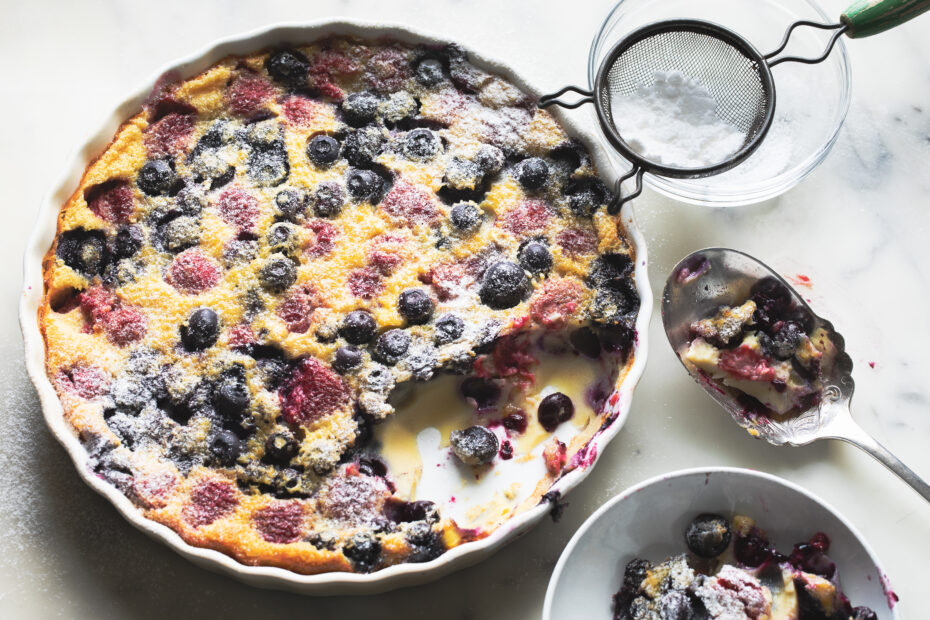
Imagine a dessert that sits perfectly at the intersection of a delicate custard and a fluffy pancake, bursting with the tart sweetness of fresh berries and requiring almost no cleanup.
In the world of high-end French patisserie, we often imagine complicated techniques and dozens of chilled bowls. However, the Berry Clafoutis stands as a testament to the beauty of French home cooking—elegant enough for a dinner party but simple enough to whisk together on a Tuesday night. This article explores why this rustic masterpiece is the ultimate “one-bowl” solution for your sweet tooth, how to master its unique texture, and the endless ways you can customize it to suit the season.
The Rustic Elegance of the French Clafoutis
The Clafoutis (pronounced kla-foo-tee) originated in the Limousin region of France. Traditionally, it was made with black cherries, pit-in, to lend a subtle almond flavor to the batter. Today, it has evolved into a versatile canvas for any fruit, especially vibrant berries. Its primary appeal lies in its “peasant-luxe” nature—it uses basic pantry staples like eggs, milk, flour, and sugar to create something that looks like it belongs in a Parisian storefront.
What makes the Clafoutis so relevant today is our collective move toward minimalist baking. We want maximum flavor with minimum friction. Because the batter is thin—similar to a crepe batter—it doesn’t require a stand mixer or precise folding techniques. It is forgiving, rustic, and celebrates the fruit rather than hiding it under layers of heavy frosting or dough.
Why the One-Bowl Method Changes Everything
In a fast-paced world, the barrier to baking is often the mountain of dishes left in the sink. The Berry Clafoutis removes this hurdle entirely. By utilizing a single large mixing bowl, you maintain a seamless flow from preparation to oven. You start by whisking your eggs and sugar until pale, then slowly incorporating the dry ingredients and dairy.
This method isn’t just about saving time; it’s about texture control. When you mix everything in one vessel, you can better monitor the consistency of the batter. You want it smooth and pourable, ensuring that once it hits the hot dish with the berries, it seeps into every crevice.
-
Tip: Always butter your baking dish generously and dust it with a little granulated sugar. This creates a slightly crunchy, caramelized crust that contrasts beautifully with the creamy interior.
Mastering the “Flan-Like” Texture
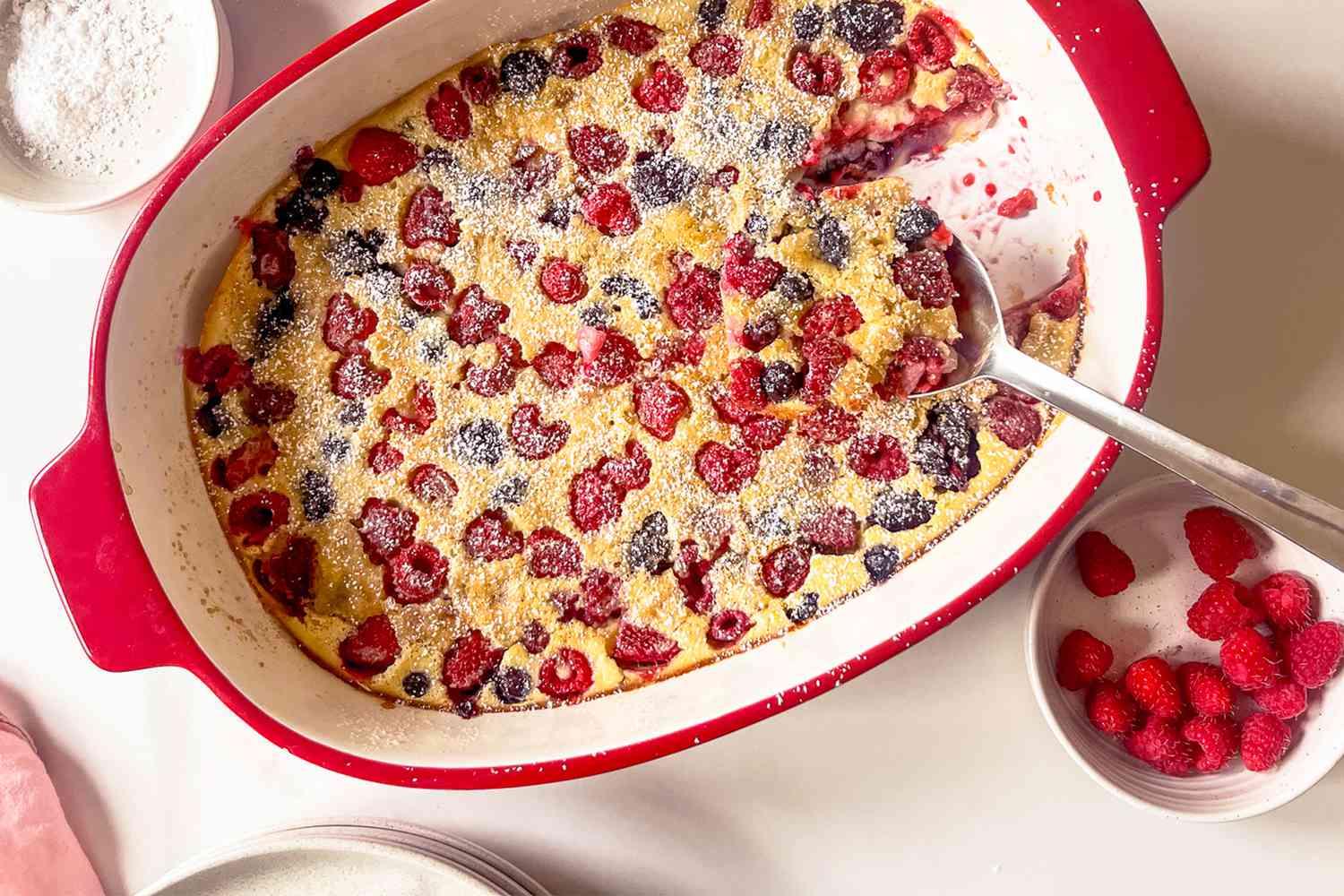
The most common question beginners ask is: “Is it a cake or a custard?” The answer is both. A perfect Clafoutis should have a golden, slightly puffed rim with a center that remains soft, moist, and custard-like. Achieving this requires a gentle touch with the flour—too much, and it becomes a dense sponge; too little, and it won’t hold its shape when sliced.
To get that professional finish, consider the temperature of your ingredients. Using room-temperature eggs and slightly warmed milk helps the fats emulsify more effectively, leading to a smoother mouthfeel. If you are looking for a deeper flavor profile, try swapping a portion of the milk for heavy cream or adding a splash of browned butter (beurre noisette).
A Note on Berries: While cherries are traditional, a mix of raspberries, blueberries, and blackberries provides a stunning visual contrast and a complex balance of acidity and sweetness.
Seasonal Variations and Creative Twists
One of the greatest joys of the Clafoutis is its adaptability. While berries are the star of this guide, the “One-Bowl” logic applies to almost any fruit in your pantry. As seasons change, so can your dessert.
-
Spring: Use strawberries and a hint of lemon zest.
-
Summer: Stick to the classic mix of blackberries and stone fruits like apricots.
-
Autumn: Sliced pears with a dash of cardamom or cinnamon.
-
Winter: Rehydrated dried cranberries or even segments of citrus.
Beyond the fruit, you can play with the batter itself. Replacing a tablespoon of flour with almond meal adds a nutty complexity that pairs perfectly with raspberries. If you want a boozy kick, soaking your berries in a little Kirsch or Amaretto for ten minutes before baking can elevate the dish from a simple family snack to a sophisticated adult dessert.
The Secret to the Perfect Serve
A Clafoutis is a “moment in time” dessert. When it first comes out of the oven, it will be puffed up like a souffle, looking grand and impressive. As it cools, it naturally deflates into a dense, creamy disk—this is completely normal and expected!
For the best experience, serve it lukewarm. This is when the flavors of the berries are most pronounced and the custard is at its silkiest. A simple dusting of powdered sugar (confectioners’ sugar) right before serving is the traditional finish. It highlights the craters formed by the fruit and adds just the right amount of extra sweetness.
If you want to go the extra mile, a dollop of cold crème fraîche or a scoop of high-quality vanilla bean ice cream creates a temperature contrast that is hard to beat. It’s the kind of dessert that encourages people to linger at the table, picking at the last few crumbs directly from the baking dish.
Conclusion: Your New Kitchen Staple
The Berry Clafoutis is more than just a recipe; it is a philosophy of baking that prizes flavor and ease over complexity. We’ve looked at its humble French origins, the efficiency of the one-bowl technique, and the secrets to achieving that elusive custard-cake hybrid texture. Whether you are a seasoned baker or someone who usually avoids the oven, this dish offers a high reward for very little effort.
By mastering this one simple batter, you unlock a lifetime of seasonal desserts. It’s a reminder that you don’t need a pantry full of exotic ingredients to create something memorable. All you need are fresh berries, a single bowl, and a little bit of time.
Have you ever tried making a Clafoutis, or do you have a favorite berry combination we missed? Let us know in the comments below! If you enjoyed this guide, feel free to share it with a friend who needs a little more “sweetness” in their life.

Thayná Alves is an influential digital content creator who has carved out a significant space in the realms of technology, finance, and entrepreneurship. Through her blog, Newbacker.com , she stands out as an authentic and accessible voice for individuals seeking practical information about investments, innovation, and emerging trends in the financial market.