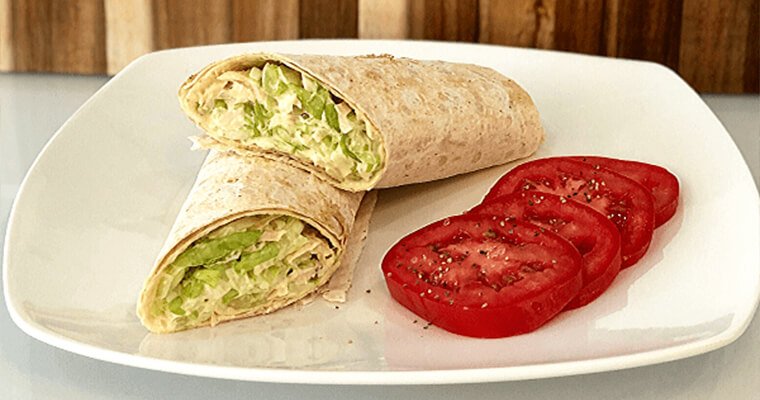
Imagine a bread so thin it’s translucent, yet strong enough to hold a mountain of savory fillings without tearing—a culinary masterpiece perfected over centuries in the mountains of Lebanon.
This article explores the fascinating world of Markook (also known as Saj bread), a traditional Lebanese flatbread that is redefining how we think about wraps and healthy eating. From its ancient origins on the domed saj griddle to its modern-day status as a gourmet staple, we will dive into why this “paper-thin” bread is a must-have in your kitchen.
By the end of this journey, you’ll understand the craftsmanship behind its creation, its nutritional benefits, and creative ways to incorporate it into your daily meals.
The Art of the Saj: A Legacy of Craftsmanship
The story of Markook begins with a piece of equipment called the saj. This convex, dome-shaped metal griddle is the heart of Lebanese village life, often found in communal bakeries where the air is thick with the scent of toasted flour. Unlike thick pita or naan, Markook is stretched by hand until it is nearly invisible, then slapped onto the hot dome to cook in mere seconds.
This process isn’t just cooking; it’s a performance. The baker tosses the dough between their arms in a rhythmic motion, using centrifugal force to expand it. This tradition has been passed down through generations, maintaining a connection to a simpler time when bread was the literal “staff of life.” Understanding this heritage makes every bite of a Markook wrap feel like a tribute to human ingenuity.
The result of this high-heat, rapid-fire cooking is a bread that is slightly charred, incredibly flexible, and remarkably light. Because it lacks the heavy yeast content of other breads, it doesn’t leave you feeling bloated, making it a favorite for those seeking a lighter alternative to traditional sandwiches.
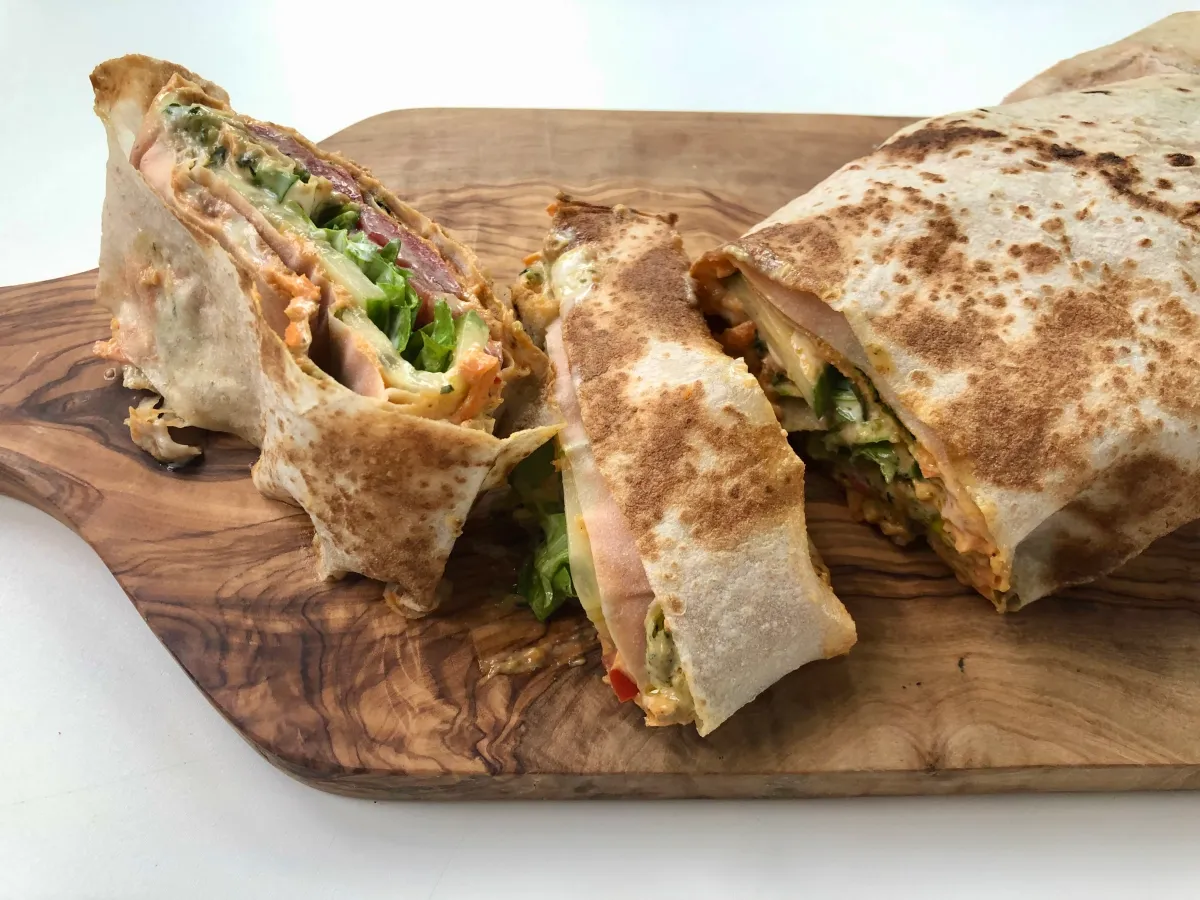
Versatility in the Modern Kitchen: Beyond the Shawarma
While Markook is the legendary vessel for authentic Lebanese shawarma, its utility in a modern, fast-paced kitchen is virtually limitless. Think of it as a blank canvas—its neutral, slightly nutty flavor profile complements both savory and sweet ingredients perfectly. It’s the ultimate “multitool” for meal prepping or quick weeknight dinners.
For a classic Mediterranean experience, you can spread a layer of labneh (strained yogurt), sprinkle some za’atar, and add a drizzle of olive oil. Roll it up, and you have a breakfast that is both energizing and portable. But don’t stop there; Markook works beautifully as a base for “thin-crust” pizzas, or even as a replacement for tortillas in a fusion-style burrito.
Beyond wraps, Markook can be baked until crisp to create homemade chips. These are perfect for dipping into hummus or baba ganoush. Because the bread is so thin, it crisps up beautifully in the oven without needing excessive oil. This adaptability makes it a secret weapon for home cooks who want to impress guests with something unique yet easy to prepare.
A Nutritional Powerhouse: Why “Thin” is Win
In an era where many are conscious of their carbohydrate intake, Markook offers a refreshing middle ground. Because the bread is stretched so thin, you are consuming significantly less flour per square inch compared to a standard bagel or thick sliced bread. This naturally reduces the caloric density of your meal without sacrificing the satisfaction of eating bread.
Traditional Markook is often made with just three simple ingredients: flour, water, and a pinch of salt. Many artisanal versions also incorporate whole wheat flour, which adds fiber and essential nutrients. It is naturally vegan and, because it doesn’t rely on complex preservatives or sugars, it aligns perfectly with “clean eating” philosophies.
-
Low Calorie: Usually contains fewer calories than a standard tortilla.
-
Zero Added Sugar: Unlike many commercial sandwich breads.
-
High Satiety: Despite being light, its large surface area allows for plenty of vegetable fillings.
When you choose Markook, you’re choosing a bread that supports a balanced lifestyle. It allows the fillings—the lean proteins, the fresh greens, and the vibrant spices—to be the stars of the show, while the bread provides the perfect, unobtrusive support.
Bringing the Middle East Home: Tips for Using Markook
If you’re new to using Markook, the most important thing to remember is its relationship with moisture. Because it is so thin, it can dry out quickly if left exposed to the air. Always keep your stack of Markook wrapped in a clean kitchen towel or inside a sealed bag to maintain 그 flexibility.
If you find that your bread has become a bit stiff, a very light mist of water and a few seconds in a warm pan or microwave will bring it back to life. When making wraps, don’t be afraid to overstuff them slightly; the elastic nature of the hand-stretched dough allows it to hug the ingredients tightly, creating a secure wrap that won’t fall apart mid-bite.
For those who love to experiment, try using Markook as a layer in a “savory cake” or a Mediterranean-style lasagna. You can stack layers of bread with spinach, feta, and roasted peppers in between. The bread absorbs the flavors of the fillings, creating a delicate, melt-in-your-mouth texture that is entirely different from pasta.
The Future of the Flatbread: A Global Sensation
It’s inspiring to see how a traditional bread from the Levant is finding its way into kitchens in New York, London, and Tokyo. As people move away from highly processed, “spongy” breads, the honest and rustic nature of Markook stands out. It represents a shift toward valuing quality and technique over mass production.
As we look forward, the rise of Markook in global markets encourages us to explore other traditional foods that have stood the test of time. It reminds us that sometimes, the best innovations are actually ancient traditions that we are simply “rediscovering.”
This bread is more than just a wrap; it’s a bridge between cultures. Whether you’re eating it on a busy street corner in Beirut or in your own dining room, Markook brings a sense of authenticity and care to the table. It’s a reminder that good food doesn’t have to be complicated—it just has to be made with intention.
Conclusion: Your Next Culinary Adventure
Lebanese Markook is a testament to the idea that simplicity is the ultimate sophistication. From its origins on the glowing saj to its place in your modern kitchen, this ultra-thin flatbread offers a unique combination of history, health, and incredible versatility. It challenges us to rethink the “sandwich” and embrace a lighter, more vibrant way of eating.
Whether you are looking to cut down on heavy carbs, searching for the perfect wrap for your lunch, or simply wanting to try something new, Markook is a delicious solution. Its thin profile and robust strength make it the undisputed king of flatbreads.
Have you ever tried Markook bread, or do you have a favorite local flatbread that everyone should know about? Let us know in the comments below! If you found this guide helpful, share it with a fellow food lover and start your Markook journey today.

Thayná Alves is an influential digital content creator who has carved out a significant space in the realms of technology, finance, and entrepreneurship. Through her blog, Newbacker.com , she stands out as an authentic and accessible voice for individuals seeking practical information about investments, innovation, and emerging trends in the financial market.