Imagine the alarm buzzing at 6:00 AM, and instead of panic, you feel calm because breakfast is already ready. That is the power of planning ahead. In today’s fast-paced world, mornings often feel like a race against the clock, leaving little room for a nutritious start to the day. Many people resort to skipping meals or grabbing expensive, unhealthy options on the go. However, there is a simple solution that transforms this chaotic routine into a smooth experience.
This article explores the world of bake-and-freeze breakfasts, a strategy designed to help you save time and money while improving your health. We will dive into why morning routines matter, how batch cooking impacts your wallet, and which recipes work best for freezing. Furthermore, we will cover essential tips for storage and reheating to ensure quality remains high. By the end of this guide, you will have a clear roadmap to reclaim your mornings. Let’s discover how a little weekend effort can lead to a week of stress-free mornings.
The Reality of Morning Rushes and Why Planning Matters
Most people understand the struggle of the morning rush. You wake up late, scramble to get dressed, and rush out the door without eating. According to various lifestyle studies, a significant portion of adults skip breakfast due to lack of time. This habit often leads to low energy levels and poor concentration by mid-morning. When hunger strikes later, the temptation to buy fast food becomes overwhelming. Consequently, this cycle affects both your health and your productivity throughout the day.
Implementing a meal prep strategy changes this dynamic completely. When you have a meal ready to heat and eat, the barrier to eating healthy disappears. It removes the decision fatigue that often plagues us early in the day. Instead of wondering what to eat, you simply grab something nutritious from the freezer. This consistency helps stabilize blood sugar levels and keeps you fueled until lunch. Moreover, it sets a positive tone for the rest of your daily habits.
Consider the psychological impact of a calm morning. Starting your day with a moment of nourishment rather than stress can improve your overall mood. It gives you a small win before you even leave the house. For parents, this is even more critical. Children need reliable nutrition to focus in school, and a rushed morning can lead to tantrums or forgotten lunchboxes. Therefore, preparing breakfasts in advance is not just about food; it is about managing household energy.
Additionally, having a plan reduces food waste. When you buy ingredients with a specific recipe in mind, you use everything you purchase. There are no half-used containers of milk or stale bread thrown away at the end of the week. This efficiency contributes to a more sustainable household routine. Ultimately, recognizing the chaos of the morning rush is the first step toward fixing it. Once you acknowledge the problem, you can actively seek solutions like batch cooking.
The Economics of Batch Cooking: Saving Money Wisely
Beyond saving time, preparing breakfasts in bulk is a powerful financial tool. Many people underestimate how much money they spend on convenience food. A simple coffee and breakfast sandwich from a drive-thru can cost between $5 and $10 per day. Over a month, this adds up to hundreds of dollars spent on low-quality food. In contrast, homemade meals cost a fraction of that price. By shifting to batch cooking, you keep that money in your pocket.
When you buy ingredients in larger quantities, you often benefit from lower unit prices. Stores frequently offer discounts on bulk items like eggs, flour, and frozen vegetables. For example, buying a large tray of eggs is significantly cheaper per egg than buying small cartons weekly. Similarly, purchasing cheese and meat in bulk allows you to portion them out yourself. This control over portions also prevents overeating, which is another hidden cost of restaurant meals.
Let’s break down the numbers with a simple comparison. Making a dozen breakfast burritos at home might cost around $15 in total ingredients. That equals $1.25 per meal. If you bought similar burritos from a café, you might pay $4.00 each. Over a month of weekdays, the savings become substantial. These funds could be redirected toward savings goals, family activities, or higher-quality ingredients for dinner. Therefore, the initial investment of time on the weekend pays off financially throughout the week.
Moreover, freezing food extends its lifespan, preventing spoilage. Bread that might go stale in three days can last months in the freezer when prepared as part of a recipe. This reduction in waste is a direct saving. It also helps with budgeting since you know exactly how much you are spending on breakfast for the month. There are no surprise trips to the grocery store for missing items. Consequently, your grocery bill becomes more predictable and manageable.
It is also worth noting the health cost savings. Eating processed fast food regularly can lead to long-term health issues. By controlling the ingredients in your frozen breakfast ideas, you reduce sodium and sugar intake. This proactive approach to health can lower medical expenses over time. While this is a long-term benefit, it is just as important as immediate cash savings. Thus, batch cooking is an investment in both your wallet and your well-being.
Top Recipes That Freeze Perfectly for Busy Weeks
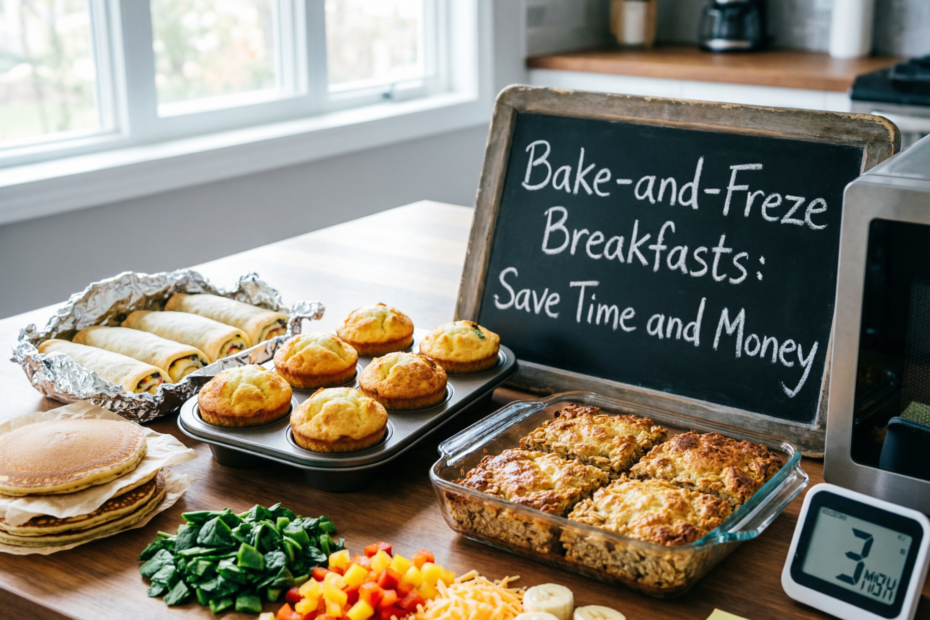
Now that we understand the benefits, let’s explore which foods actually survive the freezer well. Not every breakfast item retains its texture after freezing, so choosing the right recipes is crucial. The best candidates are those with sturdy structures and moisture balance. Breakfast burritos are arguably the king of freeze-and-eat meals. You can fill tortillas with scrambled eggs, beans, cheese, and sautéed vegetables. When wrapped tightly in foil, they reheat beautifully in the microwave or oven.
Another excellent option is egg muffins or frittata cups. These are made by whisking eggs and pouring them into a muffin tin with added ingredients like spinach, bacon, or peppers. They bake quickly and freeze individually. You can grab one or two depending on your hunger level. They are low-carb friendly and protein-packed, making them ideal for fitness goals. Additionally, they are easy for children to hold and eat if you are running late.
Pancakes and waffles are also surprisingly good candidates for freezing. Many people do not realize that you can make a large batch on the weekend and freeze them flat. Place parchment paper between each pancake to prevent sticking. When you need a quick meal, toast them directly from the freezer. They come out fluffy and warm, tasting almost as good as fresh. This is a fantastic alternative to sugary boxed mixes that often contain preservatives.
For those with a sweet tooth, overnight oats or baked oatmeal works well. While liquid oats can get mushy, baked oatmeal holds its structure. You can cut it into squares and freeze them. Reheating a square gives you a warm, comforting breakfast similar to a cake but much healthier. You can add fruits like blueberries or bananas before baking for natural sweetness. This variety ensures you do not get bored with your morning routine.
It is important to consider dietary restrictions when planning your menu. If you have gluten-free family members, use corn tortillas or almond flour for pancakes. If someone is dairy-free, swap cheese for nutritional yeast or vegan alternatives. The flexibility of these recipes allows everyone to enjoy the same convenience. By rotating these different options, you keep the menu exciting. Consequently, you are more likely to stick with the habit long-term.
Mastering the Freeze and Reheat Process for Best Quality
Preparing the food is only half the battle; storing it correctly ensures it tastes great later. The enemy of frozen food is freezer burn, which occurs when air reaches the food’s surface. To prevent this, you must cool your cooked items completely before freezing. Trapping heat inside a container creates condensation, which turns into ice crystals. Therefore, let your burritos or muffins sit on a wire rack until they reach room temperature.
Once cooled, wrapping is the next critical step. For individual items like burritos, wrap each one tightly in plastic wrap or aluminum foil. Then, place them in a heavy-duty freezer bag. Squeeze out as much air as possible before sealing. For items like pancakes, layer them with parchment paper in a container. Labeling is also essential. Write the date and contents on the bag with a marker. This helps you use the oldest items first and know what you are grabbing in a hurry.
When it comes to reheating, methods vary depending on the food. Microwaves are the fastest option, usually taking 1 to 3 minutes. However, they can make textures soggy. For crispier results, use an oven or toaster oven. Preheat to 350°F (175°C) and bake until warmed through. This method restores the original texture of baked goods like muffins or oatmeal squares. If you are reheating a burrito, wrapping it in a damp paper towel before microwaving helps keep the tortilla soft.
Safety is another key factor in this process. Always ensure food is reheated to an internal temperature of 165°F (74°C). This kills any potential bacteria that may have developed during storage. Do not refreeze food that has already been thawed, as this compromises quality and safety. Plan your week so you only thaw what you need. You can move meals from the freezer to the fridge the night before for slow thawing.
Furthermore, organize your freezer logically. Keep breakfast items in a dedicated bin or section. This prevents them from getting lost behind frozen dinners or ice cream. Visibility is key to usage. If you see your meal prep containers, you are more likely to eat them. Taking time to master these technical steps ensures your effort is not wasted. Quality preservation makes the difference between a meal you look forward to and one you dread.
Beyond Convenience: The Mental Load Benefit
While time and money are tangible benefits, the mental relief is equally valuable. Decision fatigue is a real phenomenon where making too many choices drains your mental energy. By deciding your breakfasts for the week on Sunday, you eliminate several decisions every morning. This frees up cognitive space for more important tasks at work or home. It creates a sense of control in an often unpredictable world.
Think of it as an act of self-care. Preparing food for your future self is a kindness that pays off daily. When you are tired on a Wednesday morning, your past self has taken care of you. This reduces stress and prevents the feeling of being overwhelmed. For parents, this reduces the morning negotiation with children about what they will eat. There is no arguing when the option is already prepared and waiting.
Moreover, this habit encourages a healthier relationship with food. When you are not desperate, you are less likely to reach for sugary snacks. You maintain stability in your diet without feeling restricted. It allows you to enjoy food rather than viewing it as a chore. The routine becomes a comforting ritual rather than a stressful obligation. This shift in perspective can improve your overall outlook on daily life.
There is also a sense of accomplishment that comes from batch cooking. Completing a few hours of prep on the weekend gives you a productive start. You enter the week knowing you have handled one major responsibility. This confidence can spill over into other areas of your life. It proves that you are capable of managing your resources effectively. Therefore, the benefits extend far beyond the kitchen.
Ultimately, reducing the mental load leads to a more present life. Instead of worrying about what to eat, you can focus on conversations with family or enjoying your coffee. It creates space for mindfulness in the morning. This peace is priceless in a high-stress society. Embracing this strategy is about prioritizing your well-being in a holistic way. It transforms a mundane task into a foundation for a better day.
Conclusion
In summary, adopting bake-and-freeze breakfasts is a strategic move to save time and money while enhancing your daily life. We explored how morning rushes affect our health and productivity, and how planning mitigates these issues. We analyzed the financial benefits of batch cooking compared to buying convenience food. Additionally, we reviewed specific recipes that freeze well and the technical steps to ensure quality storage. Finally, we discussed the significant mental load benefits of removing decision fatigue from your mornings.
The value of this approach lies in its simplicity and effectiveness. You do not need to be a professional chef to make this work. With a few hours of effort on the weekend, you can secure weeks of nutritious meals. This consistency supports your health goals and your budget simultaneously. It is a practical solution for modern living that anyone can implement. The key is to start small and build a routine that fits your lifestyle.
I encourage you to try this method for just one week. Pick one recipe from the list above and prepare a batch this weekend. Notice how your mornings change when the pressure is off. Reflect on the money you save and the energy you gain. Small changes often lead to significant improvements over time. Your future self will thank you for the preparation you do today.
What is your biggest challenge when it comes to morning routines? Is it finding time, sticking to a budget, or finding healthy options? Share your thoughts in the comments below. We would love to hear your experiences and tips. Don’t forget to share this article with a friend who needs a smoother morning. Let’s build a community of prepared and energized individuals together.

Thayná Alves is an influential digital content creator who has carved out a significant space in the realms of technology, finance, and entrepreneurship. Through her blog, Newbacker.com , she stands out as an authentic and accessible voice for individuals seeking practical information about investments, innovation, and emerging trends in the financial market.