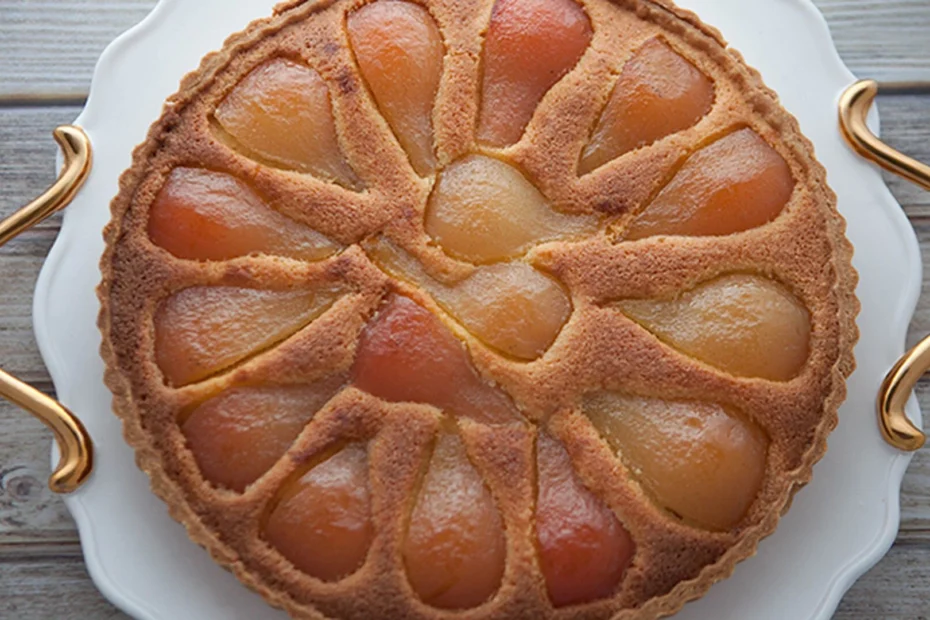
Imagine a kitchen filled with the warm, buttery scent of golden pastry and the intoxicating aroma of pears simmering in dark, velvety caramel. There is something deeply evocative about a Caramelized Pear and Almond Tart; it is a dessert that manages to feel both rustic and incredibly high-end at the same time. Whether you are looking to impress guests at a dinner party or simply want to elevate your Sunday baking ritual, this tart is the golden ticket to a memorable culinary experience.
In this comprehensive guide, we will explore why this specific flavor combination has stood the test of time and how you can master the art of the perfect crust and filling. We will dive into the science of caramelization, the secrets of the classic French frangipane, and practical tips to ensure your tart looks as good as it tastes. By the end of this article, you will not only have a recipe but a new appreciation for the balance of textures and flavors that make this dessert a perennial favorite.
The Timeless Appeal of Pears and Almonds
The partnership between pears and almonds—often referred to in French patisserie as Amandine—is more than just a lucky coincidence. It is a study in flavor synergy. Pears have a delicate, slightly floral sweetness and a unique buttery texture when cooked. When paired with the earthy, nutty depth of almonds, the result is a sophisticated profile that isn’t overwhelmingly sugary. This balance is exactly why this tart is relevant today; in a world of “extreme” desserts, the pear and almond tart offers a refined alternative.
Historically, this combination gained fame in the late 19th century in Paris, specifically around the Rue Bourdaloue, giving birth to the famous Tarte Bourdaloue. Today, home bakers embrace it because it uses accessible ingredients to create something that looks like it came straight from a professional bakery window. For instance, using almond flour (meal) instead of wheat flour in the filling doesn’t just add flavor; it creates a moist, dense crumb that keeps the tart fresh for days.
Understanding this history helps us appreciate the craft. When you bite into a slice, you aren’t just eating cake; you are experiencing a legacy of balanced acidity and creaminess. Keeping the language of your baking friendly and informative allows you to respect these traditions while making them your own in a modern kitchen.
Mastering the Art of Caramelization
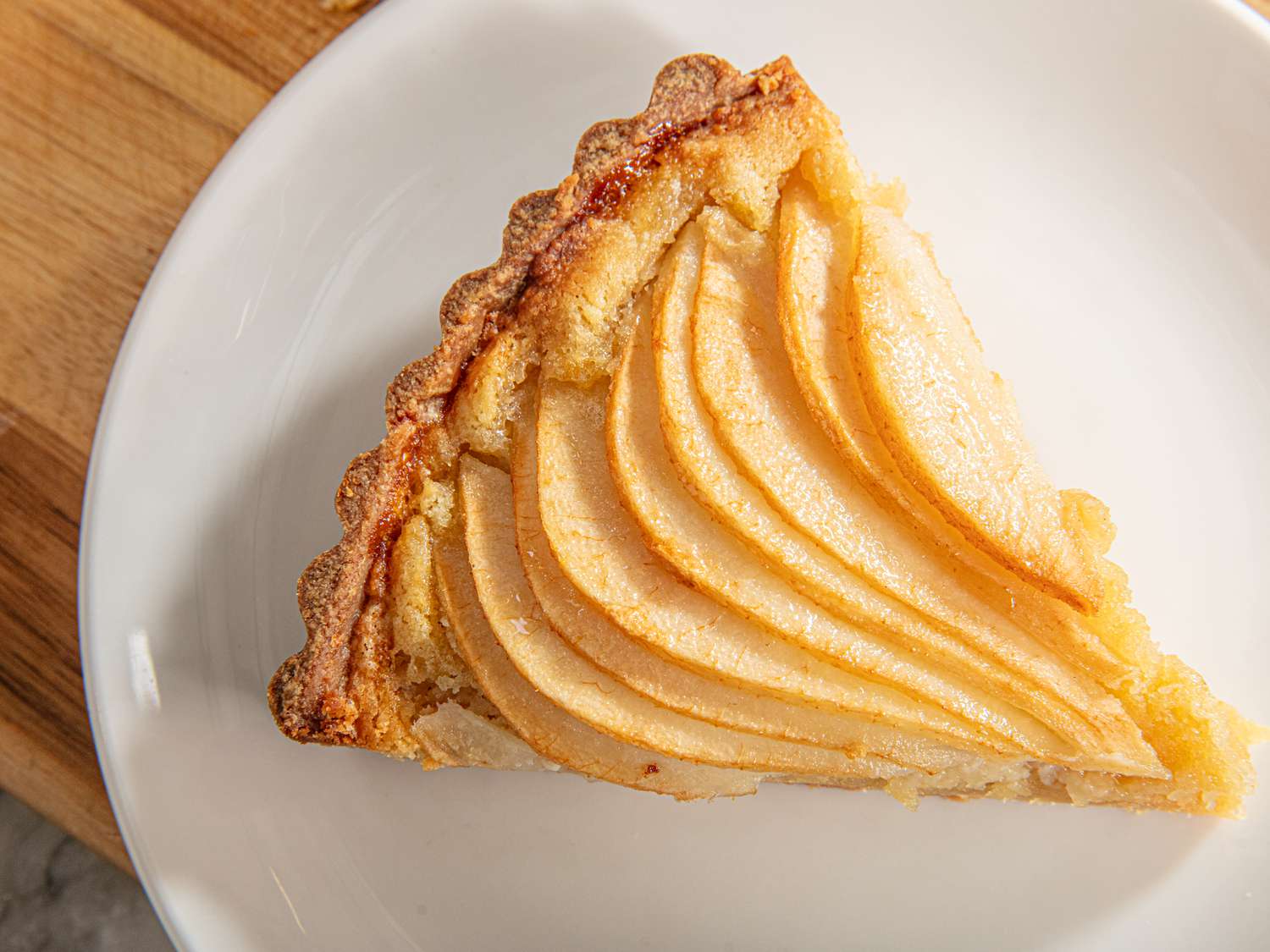
Caramelization is where the magic truly happens. It is the chemical process that turns simple granulated sugar into a complex, nutty, and slightly bitter amber liquid. For our pears, caramelization adds a layer of “grown-up” sweetness. Instead of just tasting like fruit, the pears take on notes of toffee and butterscotch. Don’t be afraid of the heat; the goal is to reach a deep mahogany color that provides a sharp contrast to the creamy almond base.
To implement this at home, try “dry caramelizing” your sugar in a wide pan before tossing in the pear slices. As the pears release their juices, they create a natural syrup that coats every piece. This simple step elevates the tart from a basic fruit pie to a gourmet masterpiece. It brings a concrete benefit to the reader: by pre-cooking the pears in caramel, you prevent the common “soggy bottom” syndrome, as much of the fruit’s moisture is reduced in the pan rather than soaking into the crust.
Furthermore, this process softens the fruit to a consistent texture. Have you ever bitten into a fruit tart only to find some pieces crunchy and others mushy? Caramelizing beforehand ensures every bite is tender. This technique is a game-changer for any fruit-based pastry, providing a professional edge that separates the amateurs from the seasoned home chefs.
The Secret of the Frangipane Filling
If the pears are the stars of the show, the almond frangipane is the stage they stand on. Frangipane is a velvety almond cream made from butter, sugar, eggs, and ground almonds. Think of it as the “velvet coat” of the pastry world. While a sponge cake can sometimes be dry, frangipane is naturally moist and rich. It acts as a sponge itself, soaking up any stray juices from the caramelized pears while baking into a soft, golden cushion.
Analogous to a cozy down comforter on a cold night, the frangipane wraps around the fruit, holding it in place and providing a nutty backdrop that prevents the caramel from being too cloying. Using comparisons like this helps us see the tart not just as a list of instructions, but as a harmony of components. The almond cream should be light and airy, which is achieved by creaming the butter and sugar thoroughly before adding the other ingredients.
To make your tart even more interesting, consider adding a splash of Amaretto or dark rum to the frangipane. This subtle hint of alcohol enhances the almond aroma and mirrors the deep notes of the caramel. This transition from simple ingredients to layered flavors is what makes baking so rewarding—it is a transformation of the mundane into the extraordinary.
Achieving the Perfect Flaky Crust
A tart is only as good as its base. For a Caramelized Pear and Almond Tart, you want a Pâte Sucrée (a sweet shortcrust pastry). This isn’t your standard pie dough; it is more like a thin, crisp cookie. It needs to be sturdy enough to hold the heavy almond cream and pears, yet delicate enough to snap under a fork. The secret to success here is temperature control. Keeping your butter and your hands cool ensures the fat doesn’t melt before it hits the oven, which is what creates those coveted tiny air pockets of flakiness.
Here are some practical recommendations for your crust:
-
Always blind bake: Bake the crust partially before adding the filling to ensure it stays crisp.
-
Don’t overwork the dough: Mixing too much develops gluten, which makes the crust tough rather than tender.
-
Resting is key: Let the dough chill in the fridge for at least an hour to prevent it from shrinking in the oven.
The relevance of a good crust cannot be overstated. It provides the necessary structural integrity and a textural counterpoint to the soft filling. When you master the Pâte Sucrée, you gain a foundational skill that can be applied to hundreds of other tart variations, from lemon curd to chocolate ganache.
Inspiration: Baking as an Act of Mindfulness
Beyond the flour, sugar, and fruit, baking a tart like this is an exercise in mindfulness and creativity. In our fast-paced digital world, taking an hour to carefully peel pears, whisk cream, and roll out dough is a form of meditation. It requires your full attention and rewards you with a tangible, beautiful result that can be shared with loved ones. There is a quiet beauty in the symmetry of sliced pears fanned out over a golden almond bed.
As you assemble your tart, think of it as a canvas. The way you arrange the fruit reflects your personal style. It’s a reflective process that ties all the technical steps together into a final expression of care. Baking isn’t just about feeding people; it’s about the joy of the process and the satisfaction of creating something from scratch.
This inspiration prepares us for the final assembly. When you pull that tart out of the oven, sparkling with a light apricot glaze or a dusting of powdered sugar, you aren’t just looking at a dessert. You are looking at a labor of love that balances tradition, technique, and taste.
Conclusion
The Caramelized Pear and Almond Tart is a testament to the beauty of classic pastry. Throughout this guide, we have explored the importance of high-quality ingredients, the transformative power of caramelization, and the essential techniques for a perfect frangipane and crust. This dessert is more than the sum of its parts; it is a sophisticated harmony of textures—crisp, creamy, and tender—that appeals to every palate.
I encourage you to step into your kitchen this weekend and give this tart a try. Don’t worry if your caramel isn’t perfect the first time or if your crust has a small crack; the flavors will still be divine, and each attempt is a step toward mastery. Baking is a journey, and this tart is one of the most delicious paths you can take.
Have you ever tried making a French-style fruit tart at home, or do you have a secret ingredient that makes your caramel stand out? Leave a comment below and share your baking stories—I would love to hear about your kitchen adventures!

Thayná Alves is an influential digital content creator who has carved out a significant space in the realms of technology, finance, and entrepreneurship. Through her blog, Newbacker.com , she stands out as an authentic and accessible voice for individuals seeking practical information about investments, innovation, and emerging trends in the financial market.