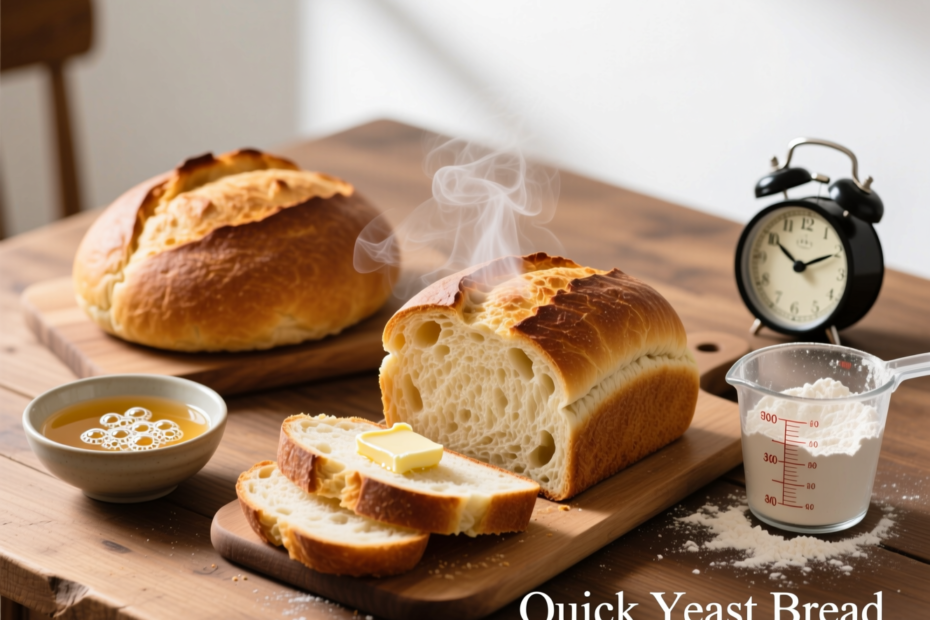
Imagine coming home after a long day, tired but craving something warm, comforting, and homemade. Now imagine pulling a golden, fragrant loaf of bread from your oven in under an hour—no, it’s not magic. With the right quick yeast bread recipes, weeknight baking is not only possible—it’s a delight.
In this article, we’ll explore how a few clever techniques and time-saving tricks can bring the joy of fresh-baked bread to your busiest evenings. You’ll discover why yeast bread doesn’t always mean hours of waiting, learn foolproof recipes that fit tight schedules, and pick up tips to customize your loaves for any meal.
Whether you’re a beginner or a seasoned home cook, these approaches will transform your perception of yeast baking from “weekend project” to “weeknight staple.” Let’s rise to the occasion—without the wait.
Why Quick Yeast Bread Belongs on Your Weeknight Table
For many, baking bread evokes images of all-day kneading, multiple rises, and hours of patience. But modern techniques—and a better understanding of yeast—have shattered that myth. Quick yeast breads leverage instant or rapid-rise yeast, which activates faster than traditional active dry yeast, often cutting rising time in half or more.
Why does this matter for weeknights? Because fresh bread isn’t just tasty—it’s deeply satisfying. A warm slice slathered with butter, dipped in soup, or used to soak up pasta sauce elevates even the simplest dinner into something special. According to a 2023 survey by the American Baking Association, 72% of home cooks say freshly baked bread makes weekday meals feel more intentional and less rushed.
And it’s not just about taste. The act of baking—mixing, shaping, watching dough rise—can be a mindful pause in a chaotic day. It’s therapy with a delicious payoff. Quick yeast recipes let you enjoy that ritual without sacrificing precious evening hours.
The secret? Streamlined ingredients, minimal kneading, and smart timing. You don’t need a bread machine or special equipment—just your hands, a bowl, and a warm corner of your kitchen.
3 Foolproof Quick Yeast Bread Recipes Ready in Under 90 Minutes
Ready to bake? Here are three reliable, beginner-friendly recipes that prove weeknight bread is not only possible but incredibly rewarding.
1. One-Hour Rustic Dinner Rolls
These soft, slightly sweet rolls come together in 10 minutes of prep and 45 minutes of rising. Perfect for sopping up stews or serving alongside grilled chicken.
Key tip: Use warm (not hot) milk—around 110°F—to activate the yeast without killing it.
2. No-Knead Skillet Bread
Mix flour, yeast, salt, and water before dinner. While you eat, it rises. Afterward, pour it into a greased cast-iron skillet and bake for 25 minutes. Crispy crust, tender crumb—zero kneading required.
3. Cheesy Herb Pull-Apart Loaf
This crowd-pleaser uses pre-risen dough (store-bought or your own quick batch) layered with garlic butter, cheddar, and fresh rosemary. Bakes in 30 minutes and disappears just as fast.
Why these work: They skip double rises, use minimal ingredients, and rely on high hydration or baking methods (like the skillet) that create structure without extensive kneading. Plus, they’re endlessly adaptable—swap herbs, add sun-dried tomatoes, or mix in seeds for variety.
The Science Behind Faster Yeast Baking (And How to Use It)
You might wonder: How can yeast bread be “quick” without sacrificing flavor or texture? The answer lies in yeast behavior and smart recipe design.
Traditional bread often calls for two rises: one after mixing, another after shaping. Quick yeast recipes usually combine these into a single, efficient rise—often at room temperature—using more yeast or warmer liquids to speed fermentation. Instant yeast, unlike active dry, doesn’t need to be “proofed” in water first; it can be mixed directly with dry ingredients, saving time and reducing steps.
Analogy time: Think of yeast like a team of tiny chefs. In cold conditions, they work slowly. But give them warmth, food (sugar or flour), and the right environment, and they’ll multiply and produce gas (CO₂) faster—causing your dough to rise quickly and evenly.
That said, don’t rush too much. Even “quick” bread benefits from a 30–45 minute rest. This allows gluten to develop naturally (no kneading needed in many cases) and flavors to deepen slightly. The result? Bread that’s soft, aromatic, and far superior to store-bought—but made in the time it takes to watch an episode of your favorite show.
Pro tip: If your kitchen is cool, place your dough in a turned-off oven with the light on—it creates a cozy, draft-free incubator.
Customizing Your Quick Loaf: Toppings, Mix-Ins & Pairings
One of the joys of baking your own bread is making it your own. Quick yeast dough is an excellent canvas for creativity—and it doesn’t have to complicate your evening.
Easy customizations:
- Toppings: Brush loaves with melted butter and sprinkle with everything bagel seasoning, grated Parmesan, or flaky sea salt before baking.
- Mix-ins: Fold in chopped olives, sun-dried tomatoes, caramelized onions, or shredded cheese during the final mix.
- Glazes: After baking, brush with garlic-herb oil or honey butter for instant gourmet flair.
Pairing ideas:
- A garlic-and-rosemary loaf shines alongside tomato soup or a simple green salad.
- Sweet-cinnamon swirl bread makes a lovely side to chili or even as a dessert with vanilla ice cream.
- Whole wheat quick loaves pair beautifully with hearty stews or roasted vegetables.
Bonus: These loaves freeze beautifully. Slice before freezing, then toast individual pieces straight from the freezer for future weeknight wins.
Most importantly, customization doesn’t mean extra time. Many add-ins take 30 seconds to fold in—less time than waiting for delivery!
Beyond Dinner: Making Bread a Weeknight Ritual
In a world of meal kits and 15-minute dinners, baking bread might seem indulgent. But that’s precisely why it’s valuable. In under 90 minutes, you’re not just feeding your family—you’re creating a moment of calm, connection, and care.
There’s something profoundly grounding about watching dough swell, smelling yeast and wheat bloom in the oven, and sharing something handmade. Kids love shaping rolls; partners can stir the batter; even solo bakers find rhythm in the simple acts of measuring and folding.
And let’s be honest: nothing beats the pride of serving bread you made yourself—especially on a Tuesday night when everyone’s running on empty.
This ritual doesn’t require perfection. Your loaf might be lopsided or slightly dense—that’s part of its charm. What matters is the warmth it brings to your table, both literally and emotionally.
As food writer Samin Nosrat once said, “Bread is the most democratic of foods.” It costs pennies, feeds many, and carries centuries of human tradition. By baking it on a busy weeknight, you’re not just cooking—you’re continuing a legacy of nourishment.
Conclusion: Rise Above the Rush
Quick yeast bread isn’t about cutting corners—it’s about reclaiming joy in the everyday. We’ve explored how modern techniques make fresh-baked loaves achievable even on your busiest nights, shared three reliable recipes that deliver flavor without fuss, and uncovered the simple science that makes it all work. Most importantly, we’ve seen how a humble loaf can transform a routine dinner into a moment worth savoring.
You don’t need to be a master baker. You just need a bowl, a pinch of yeast, and the willingness to try. Whether you’re making pull-apart rolls for your kids or a fragrant herb loaf for a quiet supper for two, you’re giving your family something money can’t buy: presence, care, and the smell of home.
So tonight, instead of reaching for the store-bought bag, consider mixing up a quick dough. Let it rise while you set the table. Bake it while you finish cooking. And when you break bread together, you’ll taste more than flour and yeast—you’ll taste the quiet magic of an ordinary evening made extraordinary.
Now it’s your turn: What’s the first quick yeast bread you’ll try this week? Have a favorite mix-in or memory tied to homemade bread? Share your thoughts in the comments—we’d love to hear your story! And if this inspired you, pass it along to a friend who deserves a little more warmth at dinnertime.

Thayná Alves is an influential digital content creator who has carved out a significant space in the realms of technology, finance, and entrepreneurship. Through her blog, Newbacker.com , she stands out as an authentic and accessible voice for individuals seeking practical information about investments, innovation, and emerging trends in the financial market.