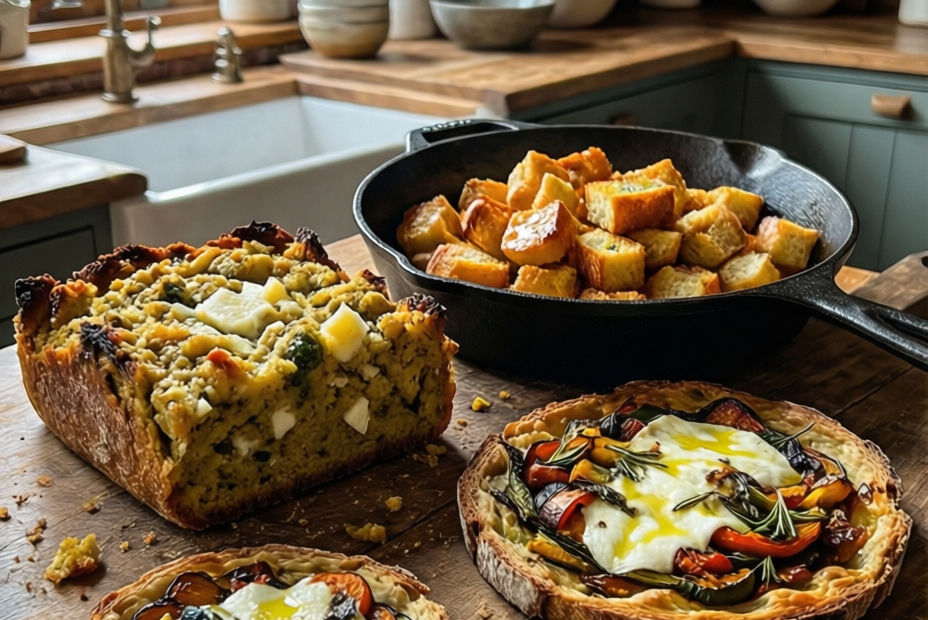
There’s something quietly heartbreaking about tossing out a loaf of bread that’s gone stale—especially when you know it didn’t have to end this way. But what if that “ruined” loaf isn’t ruined at all? In fact, stale bread is far from useless. Across cultures and centuries, cooks have transformed hardened crusts and dry crumbs into culinary treasures. From crispy croutons to rich bread puddings, the potential hiding in your breadbox is limited only by imagination.
In this article, we’ll explore how to breathe new life into stale bread through creative, delicious, and practical uses that go far beyond the toaster. You’ll discover traditional recipes, kitchen hacks, and even sustainable habits that reduce food waste while elevating your meals. Whether you’re a home cook looking to stretch your groceries or someone passionate about minimizing kitchen waste, these ideas will change how you see that forgotten loaf on the counter.
Let’s turn yesterday’s bread into today’s inspiration.
Why Stale Bread Isn’t a Loss—It’s an Opportunity
Stale bread often gets a bad rap, but its texture shift is actually a gift in disguise. When bread stales, moisture migrates from the crumb to the crust, making it firm—but not spoiled. Unlike moldy or sour-smelling bread (which should be discarded), dry, hard bread is perfectly safe and highly versatile.
Consider this: globally, nearly one-third of all food produced is wasted, and bread is among the most commonly tossed items. In the U.S. alone, households throw away an estimated 24 million slices of bread every day. Yet many traditional cuisines treat stale bread as a prized ingredient. In Italy, pane raffermo (stale bread) stars in dishes like panzanella (a refreshing bread salad) and ribollita (a hearty Tuscan soup). In Spain, migas—fried breadcrumbs with garlic and paprika—turns leftovers into a savory staple.
Rather than seeing staleness as failure, think of it as transformation. The firm structure holds up better in soups, absorbs sauces beautifully, and crisps perfectly when baked or fried. This isn’t just about saving money—it’s about honoring food, reducing waste, and unlocking flavor.
Kitchen Staples Reimagined: Easy Recipes Using Stale Bread
You don’t need a chef’s degree to repurpose stale bread—just a few pantry staples and 20 minutes. Here are three simple, crowd-pleasing ideas:
- Homemade Croutons: Toss cubed stale bread with olive oil, salt, garlic powder, and herbs. Bake at 375°F (190°C) for 10–15 minutes until golden. Use them on salads, soups, or even as a snack.
- Bread Pudding: Tear bread into chunks, soak in a mix of milk, eggs, sugar, vanilla, and cinnamon, then bake. Add raisins, chocolate chips, or citrus zest for flair. It’s comfort food with zero guilt.
- French Toast (Even Better with Stale Bread!): Slightly dry bread soaks up the egg-milk custard without falling apart, yielding a crisp exterior and custardy center.
These aren’t just frugal fixes—they’re upgrades. Stale bread’s absorbency makes it ideal for dishes where texture matters. Plus, making your own croutons or breadcrumbs avoids plastic-wrapped store-bought versions, cutting down on packaging waste too.
Pro tip: Freeze leftover bread before it stales. When you’re ready, thaw and use it just like fresh—or let it dry further for breadcrumbs.
Global Traditions That Celebrate “Old” Bread
Across the world, stale bread isn’t discarded—it’s celebrated. These culinary traditions reveal how resourcefulness can lead to deeply flavorful dishes.
Take Middle Eastern fatteh: layers of toasted pita, chickpeas, yogurt, and pine nuts create a tangy, satisfying meal. Or British bread-and-butter pudding, a humble dessert born in frugal kitchens that’s now a classic. Even in France, pain perdu (“lost bread”)—their version of French toast—has been rescuing dry loaves since the Middle Ages.
These dishes share a common thread: respect for ingredients. Before refrigeration and supermarkets, wasting food wasn’t just wasteful—it was unthinkable. Today, reviving these recipes connects us to that wisdom.
Imagine serving a vibrant panzanella on a summer afternoon: tomatoes, cucumbers, red onion, basil, and vinegar-soaked bread cubes meld into something greater than the sum of its parts. The bread softens just enough to carry the flavors without turning mushy—a perfect balance only stale bread can achieve.
By embracing these global approaches, you’re not just cooking—you’re participating in a centuries-old act of culinary care.
DIY Breadcrumbs, Thickeners, and More: Beyond the Plate
Stale bread’s utility extends far beyond main dishes. With a little prep, it becomes a multi-purpose kitchen tool.
Homemade breadcrumbs are the most obvious use. Pulse dried bread in a food processor, then toast lightly in the oven. Store in an airtight container for weeks. Use them to:
- Coat chicken cutlets or fish fillets
- Add crunch to mac and cheese topping
- Bind meatballs or veggie burgers
But there’s more: bread can thicken soups and sauces. A slice of stale bread blended into gazpacho gives body without flour. In Spanish ajo blanco, bread creates a creamy base alongside almonds and garlic.
Even cleaning gets easier: rubbing a damp piece of stale bread over wallpaper or lampshades lifts dust gently—no chemicals needed. And artists sometimes use fine breadcrumbs as erasers for charcoal sketches!
The key? Dry it thoroughly. Leave bread uncovered overnight, or bake at 250°F (120°C) for 20–30 minutes until crisp. Once fully dehydrated, it stores well and stays ready for action.
A Mindset Shift: Reducing Waste, One Loaf at a Time
At its heart, reviving stale bread is about more than recipes—it’s a philosophy of mindful consumption. In a world of abundance, it’s easy to overlook small acts of care. But choosing to reuse instead of discard builds a deeper relationship with food.
Think of it this way: every slice saved is a small rebellion against the throwaway culture. It’s also a step toward sustainability. Food waste contributes to 8–10% of global greenhouse gas emissions. By extending the life of your bread, you’re lowering your carbon footprint—one crouton at a time.
Moreover, working with what you have fosters creativity. Constraints breed innovation: “What can I make with this?” becomes a joyful challenge rather than a chore.
So next time you find a hard loaf in the bread bin, don’t sigh—smile. You’ve got the makings of a meal, a memory, or maybe even a new kitchen tradition.
Conclusion: Turn “Waste” into Wonder
Stale bread isn’t the end of the story—it’s the beginning of something delicious. From crunchy croutons and comforting puddings to global classics like panzanella and migas, dry bread offers endless possibilities. It thickens, binds, crisps, and soaks up flavor in ways fresh bread simply can’t.
More importantly, using every part of your loaf reflects a mindful approach to cooking and living. It saves money, reduces waste, and connects you to generations of cooks who knew that nothing good should go to waste.
So before you toss that “old” bread, ask yourself: What could this become? Chances are, it’s not trash—it’s treasure waiting to be rediscovered.
Now it’s your turn! Have you ever turned stale bread into something amazing? Share your favorite recipe or hack in the comments below—or try one of these ideas this week and tag us on social media. Let’s make every slice count.

Thayná Alves is an influential digital content creator who has carved out a significant space in the realms of technology, finance, and entrepreneurship. Through her blog, Newbacker.com , she stands out as an authentic and accessible voice for individuals seeking practical information about investments, innovation, and emerging trends in the financial market.