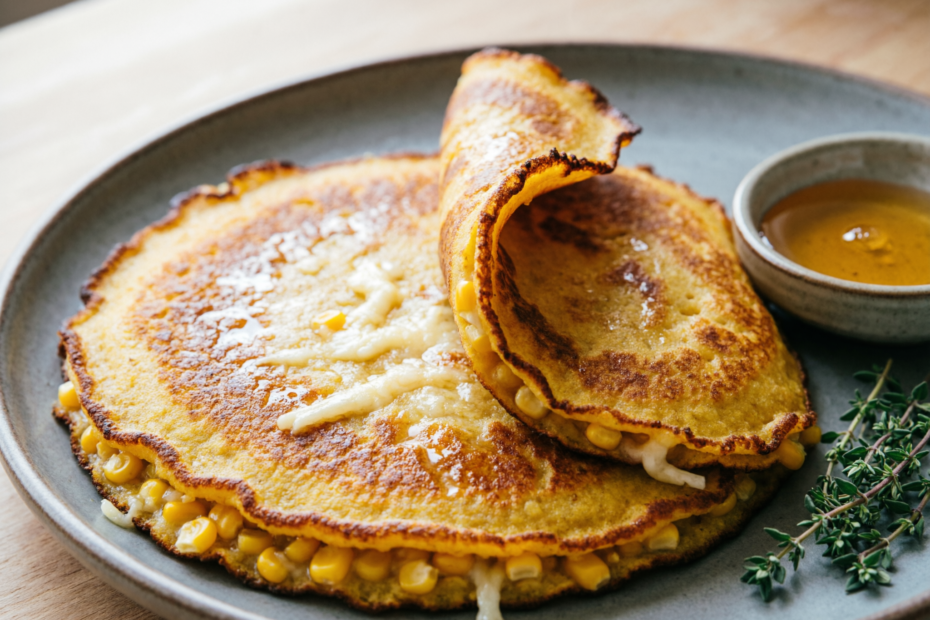
There’s a moment in every bite of a perfectly made cachapa when time seems to slow down—the gentle sweetness of fresh corn bursts on your tongue, the edges crisp like golden lace, and the center stays tender, hugging a melting pocket of soft white cheese. This isn’t just breakfast or a snack; it’s a taste of Venezuelan soul, a humble yet extraordinary dish born in the country’s lush cornfields and lovingly passed down through generations.
In this article, we’ll journey into the heart of Venezuelan cuisine to explore cachapas—those irresistible sweet corn pancakes that have captured hearts far beyond the Andes. We’ll uncover their cultural roots, break down why fresh corn makes all the difference, walk through an easy-to-follow recipe that guarantees success even for beginners, and share authentic pairing ideas that elevate this simple dish into something unforgettable.
Whether you’re a curious home cook or someone longing to reconnect with Latin American flavors, this guide will give you everything you need to bring the warmth of a Venezuelan kitchen into your own home. Let’s begin.
A Taste of Tradition: The Cultural Heart of Cachapas
Cachapas are more than food—they’re a living piece of Venezuela’s agricultural heritage. Originating in the country’s central plains, or llanos, these pancakes emerged from indigenous communities who cultivated corn long before Spanish colonization.
For centuries, corn wasn’t just a crop; it was sacred. The phrase “somos hijos del maíz” (“we are children of corn”) still resonates across Latin America, reflecting how deeply this grain is woven into identity and daily life.
In Venezuela, cachapas became a staple of rural life. Farmers would grind fresh corn on hand-cranked mills called molinos, mix it with a touch of sugar and salt, and cook the batter on a budare—a flat clay or metal griddle heated over open flame.
The result was a portable, nourishing meal that powered long days in the fields. Today, you’ll find cachaperas (cachapa vendors) on street corners from Caracas to Mérida, their griddles sizzling at dawn, filling the air with that unmistakable sweet-corn aroma.
What makes cachapas culturally significant is their role as a unifying food. They appear at family gatherings, roadside stands, and festive tables alike—never fancy, always comforting. Unlike arepas (which use precooked corn flour), cachapas celebrate corn in its freshest form, making them a seasonal delight when corn is at its peak.
This connection to the land and to tradition is precisely why so many Venezuelans living abroad consider cachapas a taste of home—a edible memory of sun-drenched fields and grandmother’s kitchen.
Why Fresh Corn Makes All the Difference
The magic of a great cachapa lives or dies by one ingredient: fresh corn. While canned or frozen corn might seem convenient, they simply can’t replicate the delicate sweetness and creamy texture that fresh kernels provide. Here’s why it matters.
When you cut kernels straight from the cob, you capture natural sugars at their peak—sugars that begin converting to starch within hours of harvest. This fleeting sweetness defines authentic cachapas. Frozen corn, though better than canned, loses some of that vibrancy during processing. Canned corn? Often packed in syrupy liquid that dilutes flavor and alters texture, leaving your cachapas tasting flat and watery.
Don’t worry—you don’t need to be a culinary expert to prep fresh corn. Simply stand an ear upright in a large bowl, slice downward with a sharp knife, and let the kernels fall neatly inside. For extra richness, scrape the cob with the back of the knife to release the starchy “milk”—this adds a luscous quality to the batter. One pound of fresh corn (about 2 large ears) yields roughly 1½ cups of kernels, perfect for four modest cachapas.
If fresh corn isn’t available, frozen unsweetened corn is an acceptable backup—just thaw and pat it completely dry before blending. But whenever possible, seek out sweet corn in season (late summer in most regions). Your taste buds will thank you. That first bite of a fresh-corn cachapa—slightly crisp outside, custardy within—proves why Venezuelans insist: “Sin maíz tierno, no hay cachapa verdadera.” (“Without tender corn, there’s no true cachapa.”)
Your Foolproof Guide to Perfect Cachapas at Home
Ready to cook? This approachable recipe stays true to tradition while adapting smoothly to home kitchens. You’ll need a blender and a nonstick skillet—no special equipment required.
Ingredients (makes 4 medium cachapas):
- 2 large ears fresh corn, kernels cut (about 1½ cups)
- ¼ cup whole milk (or coconut milk for dairy-free)
- 1 large egg
- 2 tbsp sugar (adjust to corn’s sweetness)
- ¼ tsp salt
- 2 tbsp melted butter or oil
- 4 slices queso de mano or substitute: mozzarella + farmer’s cheese blend
- Butter or oil for cooking
Step-by-step method:
Blend gently: In a blender, pulse corn kernels with milk until mostly smooth but still slightly textured—about 15–20 seconds. Avoid over-blending into a thin liquid.
Mix the batter: Transfer to a bowl. Whisk in egg, sugar, salt, and melted butter until just combined. Let rest 5 minutes; the batter should coat a spoon thickly. If too runny, add 1–2 tbsp cornmeal.
Heat the skillet: Warm a nonstick skillet over medium-low heat. Too hot, and the outside burns before the inside cooks.
Cook slowly: Pour ½ cup batter into the skillet, spreading gently into a 5-inch circle. Cook 4–5 minutes until edges lift easily and the bottom is golden. Flip carefully and cook another 3–4 minutes.
Add cheese: In the last minute of cooking the second side, place a slice of cheese on half the cachapa. Fold gently and let melt briefly before serving.
Pro tip: Keep cooked cachapas warm in a 200°F (95°C) oven while you finish the batch. Serve immediately—they’re best eaten fresh off the griddle.
Beyond the Basics: Pairings, Variations, and Regional Twists
A classic cachapa cradles queso de mano—a soft, salty Venezuelan cheese—but creativity thrives here. In the Andean region, cooks sometimes add a sprinkle of anís (anise seeds) to the batter for aromatic warmth. Coastal versions might include a whisper of coconut milk, echoing Afro-Caribbean influences.
Your cheese choice transforms the experience:
- Queso de mano (authentic choice): Mild, salty, and wonderfully melty.
- Queso fresco + mozzarella blend: Accessible substitute with balanced saltiness and stretch.
- Goat cheese: For a tangy twist that contrasts beautifully with sweet corn.
- Vegan option: Cashew cheese or coconut-based shreds work surprisingly well.
Accompaniments elevate the meal:
- Black beans stewed with garlic and cumin add earthy depth.
- Avocado slices with lime juice cut through the richness.
- Crispy chicharrón (pork belly) creates a beloved sweet-savory contrast—cachapa con chicharrón is a weekend favorite.
- A drizzle of ajo (garlic sauce) or hot sauce for those who like heat.
For a modern brunch twist, top a savory cachapa with a fried egg and fresh cilantro. Or lean into dessert mode: skip the cheese, dust with cinnamon sugar, and serve with berries. The beauty of cachapas lies in their versatility—they welcome both tradition and imagination.
Troubleshooting Like a Pro: Common Pitfalls and How to Avoid Them
Even experienced cooks face cachapa challenges. Here’s how to sidestep the usual traps:
Problem: Batter spreads too thin or tears when flipping.
Solution: Your batter should resemble thick pancake batter—not crepe-thin. If too runny, stir in 1 tablespoon of fine cornmeal or masa harina. Also, ensure your skillet is properly preheated; a drop of water should sizzle gently, not violently.
Problem: Cachapas stick to the pan.
Solution: Use a well-seasoned nonstick or cast-iron skillet. Add enough fat—about ½ teaspoon of butter or oil per cachapa—and let it heat until shimmering before pouring batter.
Problem: Burnt outside, raw inside.
Solution: Cook low and slow. Medium-low heat allows the center to set without scorching the edges. Patience pays off with even browning and a custardy interior.
Problem: Soggy texture.
Solution: Don’t overcrowd the skillet—steam needs to escape. Cook one or two at a time, and transfer finished cachapas to a wire rack (not a plate) to preserve crispness.
Storage tip: Cachapas taste best fresh, but leftovers can be refrigerated 2 days. Reheat in a dry skillet over medium heat to revive crispness—never microwave, which turns them rubbery.
More Than a Meal: The Joy of Sharing Cachapas
There’s something quietly profound about making cachapas for others. As the batter sizzles and that sweet-corn fragrance fills your kitchen, you’re not just cooking—you’re extending an invitation to slow down, gather close, and savor simplicity. In a world of rushed meals and digital distractions, cachapas ask for presence: the patience to cook them slowly, the mindfulness to enjoy them warm, the generosity to share them freely.
I’ll never forget watching my Venezuelan friend Luisa teach her young niece to fold a cachapa around melting cheese. “Así se abraza el maíz,” she whispered—“This is how you hug the corn.” In that gesture lived history, love, and continuity. Cachapas remind us that the most meaningful foods aren’t complicated. They’re honest. They speak of soil and sun, of hands that harvest and hearts that welcome.
When you make cachapas, you join a centuries-old conversation between land and table. You honor a tradition that finds abundance in simplicity. And you create not just a dish, but a moment—a golden, sweet, cheesy moment worth pausing for.
Conclusion: Bring the Warmth of Venezuela to Your Table
From their roots in Venezuela’s fertile plains to their place on modern tables worldwide, cachapas embody the beauty of humble ingredients transformed by care. We’ve explored their cultural significance, celebrated the irreplaceable role of fresh corn, mastered a reliable home recipe, discovered creative variations, and learned to troubleshoot like seasoned cooks. More than technique, though, cachapas teach us about connection—how food can bridge distances, evoke memory, and turn an ordinary morning into something sacred.
Now it’s your turn. Seek out the sweetest corn at your market. Fire up your skillet. Let the sizzle become your soundtrack. And when you fold that first cachapa around melting cheese, take a breath. Taste slowly. Share generously.
Have you tried cachapas before—or another corn-based dish from Latin America that holds a special place in your heart? I’d love to hear your story or your twist on this classic. Share your experience in the comments below, or tag a friend who needs a taste of sunshine on a plate. ¡Buen provecho!
Thayná Alves is an influential digital content creator who has carved out a significant space in the realms of technology, finance, and entrepreneurship. Through her blog, Newbacker.com , she stands out as an authentic and accessible voice for individuals seeking practical information about investments, innovation, and emerging trends in the financial market.