Imagine walking down the cobblestone streets of Tbilisi as the sun dips below the Caucasus Mountains. The air is crisp, but amidst the scent of aging stone and mountain breeze, there is another, more intoxicating aroma: the smell of fire, charred flour, and baking dough. You have just encountered the heartbeat of Georgian hospitality—Shotis Puri.
This isn’t just bread; it is a cultural icon, a staple that has graced the tables of Georgian homes for centuries. Whether you are a seasoned foodie or someone simply curious about the culinary wonders of the Caucasus, understanding Shotis Puri is the key to unlocking the true essence of Georgian cuisine. In this article, we will explore the history, the specialized baking method, and the sensory experience that makes this boat-shaped delight an unforgettable part of world gastronomy.
The Soul of the Georgian Table
In Georgia, food is not just sustenance; it is a language of love, connection, and community. The Supra—the traditional, long, and wine-filled feast—would be incomplete without baskets of fresh, steaming bread. But Shotis Puri holds a special place of honor. Unlike other flatbreads found in the region, this bread is inextricably linked to the very identity of the Georgian people.
Why is it so relevant? Because Shotis Puri serves as the literal and figurative foundation of every meal. When you tear into a fresh piece of this bread, you are participating in a ritual that has remained largely unchanged for generations. It acts as a scoop for lobio (bean stew), a vessel for pkhali (vegetable pâtés), and the perfect accompaniment to the salty tang of Sulguni cheese.
To the Georgian, a meal without bread is not a meal at all. It represents the “daily bread” in the most literal sense, baked fresh throughout the day in small, local bakeries. When you walk into a Georgian bakery, you aren’t just buying food; you are witnessing a craft that prioritizes community over mass production. It creates a rhythm of life that emphasizes freshness and local connection, values that seem increasingly rare in our fast-paced, digitized world.
The Art of the ‘Tone’: Where Magic Happens
The secret to Shotis Puri isn’t just the dough; it’s the vessel. The bread is baked in a Tone (pronounced to-neh), a deep, circular clay oven that resembles a well. This isn’t your standard kitchen convection oven. The Tone is a masterclass in ancient engineering and thermodynamics.
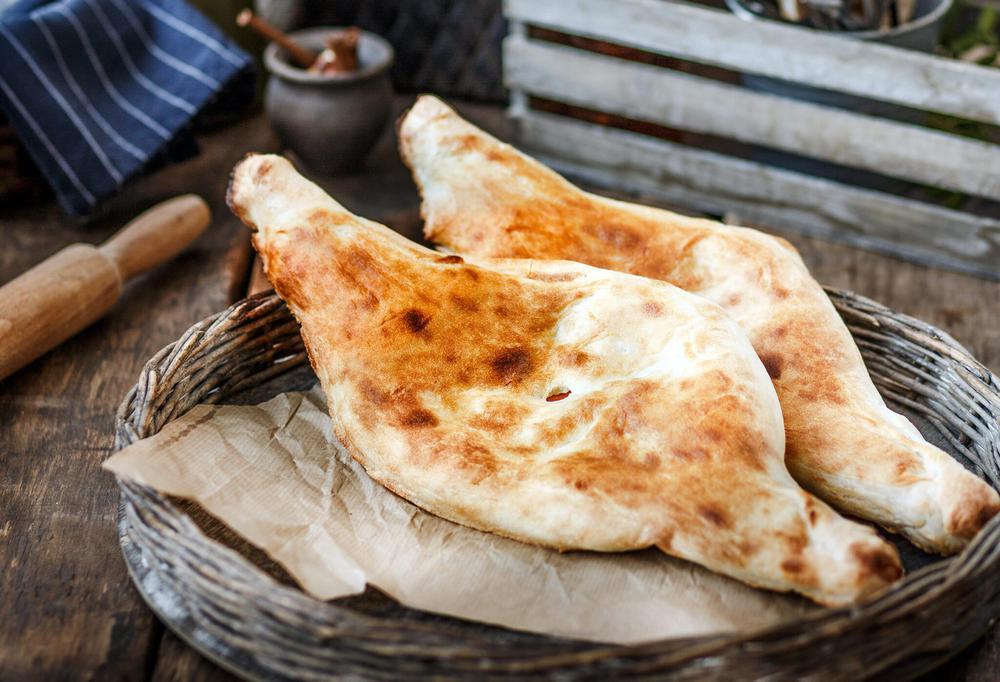
Inside the Tone, a fire is built at the bottom. The walls of the oven are coated in a specific type of clay that absorbs and radiates intense, consistent heat. The baker—often a master of their craft—must physically reach into the hot oven to slap the shaped dough against the inner wall. This action is not as simple as it sounds. The dough must adhere to the vertical surface of the clay while gravity pulls on it, creating that signature elongated, “boat” or “cigar” shape with tapered ends.
This process is fascinating because it allows for a unique dual-texture experience. The side of the bread touching the clay wall develops a crispy, slightly charred, and bubbly crust. Meanwhile, the interior remains soft, airy, and chewy. Because the heat source is so intense, the bread bakes in just a few minutes, trapping moisture inside and resulting in an incredible contrast of textures.
If you are looking to replicate this at home, it is nearly impossible to recreate the Tone environment perfectly without the specialized oven. However, the lesson here is about temperature and timing. High heat is the secret. Using a pizza stone or a heavy cast-iron pan in your home oven can help you approximate that intense, bottom-up heat, giving you a taste of the Georgian mountain tradition, even if you are thousands of miles away from the Caucasus.
Ingredients, Ritual, and the Geometry of Taste
What goes into a loaf of Shotis Puri? You might be surprised to find that the ingredients list is remarkably humble: high-quality wheat flour, water, yeast, and salt. That is it. There are no sugars, no oils, and no preservatives. The complexity comes not from a long list of ingredients, but from the fermentation process and the baker’s technique.
The “boat” shape isn’t just aesthetic; it serves a functional purpose. The pointed ends of the bread provide a convenient handle for tearing the loaf apart. In a communal setting, tearing the bread by hand—rather than cutting it with a knife—is considered a respectful, intimate act. It invites guests to participate in the meal actively.
Consider this: in our modern, automated world, we often prefer uniformity. We want every slice of bread to look exactly the same. Shotis Puri defies this trend. Each loaf is slightly different, bearing the mark of the baker’s hand and the fire of the Tone. This variation is not a flaw; it is a sign of authenticity.
Practical Takeaway: When you eat Shotis Puri, slow down. Notice the charred bubbles on the surface. These are called “leopard spots” by pizza enthusiasts, but in Georgia, they are simply the hallmark of a perfectly baked loaf. By choosing to seek out or make food that is “imperfect” and handmade, you reconnect with a slower, more intentional way of eating.
Bringing the Mountains Home: Pairing and Enjoyment
You have your Shotis Puri. It is hot, fragrant, and slightly chewy. How do you maximize the experience? While you can eat it plain (and it is delicious that way), it truly shines when paired with the robust flavors of Georgian cuisine.
-
With Cheese: Try it with Sulguni, a semi-soft, brined cheese that melts beautifully. The saltiness of the cheese against the neutral, slightly yeasty flavor of the bread is a match made in heaven.
-
With Stews: If you enjoy soups or bean dishes, use the Shotis Puri as your spoon. Its structure is sturdy enough to hold hearty ingredients, allowing you to enjoy the bread and the meal simultaneously.
-
With Wine: Georgia is the birthplace of wine, with an 8,000-year history. Pair a piece of torn bread with a glass of amber-colored Qvevri wine. The earthy notes of the wine complement the charred crust of the bread perfectly.
Beyond the plate, remember that the true ingredient of Shotis Puri is hospitality. This bread is meant to be shared. If you find a Georgian bakery in your city, go with a friend. If you bake it at home, invite neighbors over. By sharing the bread, you are embracing the Georgian philosophy of “a guest is a gift from God.” It’s a simple shift in perspective. Instead of treating bread as a side dish to be finished quickly, view it as the centerpiece that facilitates conversation and human connection. Whether you are at a fancy dinner or a casual lunch, incorporating this mindset can transform a routine meal into an occasion.
A Final Reflection on Tradition
As we have explored, Shotis Puri is far more than just a recipe. It is a bridge to a culture that values the warmth of the hearth, the simplicity of quality ingredients, and the necessity of sharing a meal with others. From the blistering heat of the Tone oven to the crunch of the first bite, this bread tells a story of survival, celebration, and community.
In our world of mass-manufactured convenience, there is something deeply grounding about returning to basics. Whether you have the chance to visit the majestic mountains of Georgia or you decide to find a local bakery that prepares this traditional bread, I encourage you to savor it. Pay attention to the texture, the smell, and the history embedded in that simple boat-shaped loaf.
Now, it’s your turn. Have you ever tried traditional flatbreads baked in a clay oven? Or perhaps you have a favorite way of eating fresh, hot bread that feels like a ritual in your own life? I would love to hear your thoughts or experiences in the comments below. Let’s keep the conversation—and the oven—going

Thayná Alves is an influential digital content creator who has carved out a significant space in the realms of technology, finance, and entrepreneurship. Through her blog, Newbacker.com , she stands out as an authentic and accessible voice for individuals seeking practical information about investments, innovation, and emerging trends in the financial market.